
 EN
EN



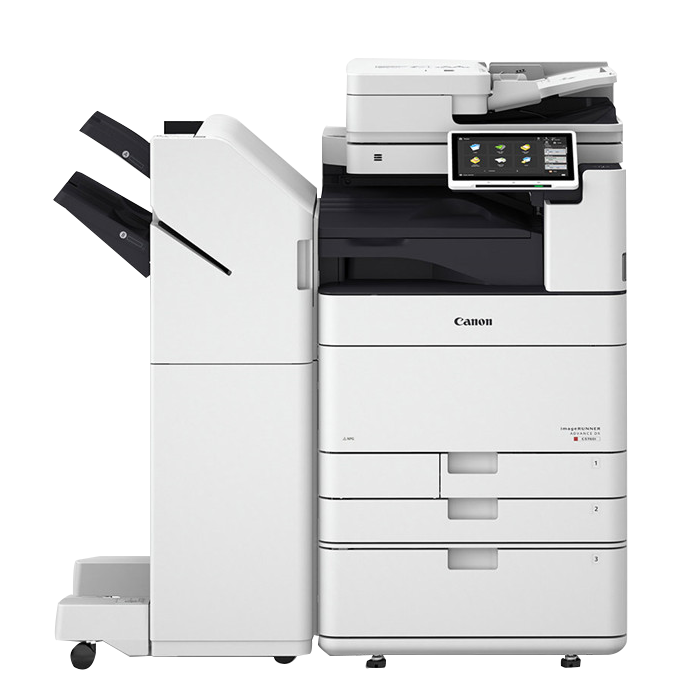
Understanding Total Cost of Ownership for Office Copiers
Beyond the Sticker Price: Hardware, Supplies, Maintenance, and Hidden Labor Costs
The purchase price of an office copier represents just 40% of its lifetime expenses, per industry research from the International Data Corporation (IDC). A complete TCO analysis must go beyond hardware to include consumables, service, and often-overlooked labor costs:
- Hardware/Supplies: Toner, drums, and replacement parts—typically 25–35% of five-year TCO
- Maintenance: Service contracts averaging $175/month per device, or $10,500 over five years
- Hidden Labor: IT troubleshooting, employee training, and administrative tasks like supply reordering—accounting for up to 20% of total spend
Over a 5-year lifecycle, these operational and labor expenses routinely exceed the initial investment. For example, a mid-range $8,500 MFP amortizes to $1,700/year—but adding consumables, maintenance, and labor pushes annual TCO to $4,200–$5,800.
How A3 MFPs, Authentication, and Scan-to-Folder Influence Long-Term TCO
Modern features deliver measurable cost control—not just convenience. When deployed intentionally, they reshape how organizations allocate print resources:
| Feature | Cost Reduction Mechanism | Impact Example |
|---|---|---|
| A3 MFPs | Consolidates printers, scanners, and fax machines into single devices | 30% lower hardware maintenance vs. fragmented fleets |
| User Authentication | Tracks departmental usage and enforces secure release workflows | 25% reduction in wasteful printing; 18% fewer unclaimed jobs (2023 Print Industry Audit) |
| Scan-to-Folder | Enables paperless document capture and retrieval | $3,600/year in paper savings; 40% lower physical storage costs |
Together, these capabilities support precise cost allocation, eliminate redundancy, and strengthen compliance—key drivers of sustainable ROI.
Linking Usage Patterns to Real Office Copier ROI
Analyzing Print Volume, Duplex Adoption, and Departmental Behavior with Usage Analytics
The real return on investment doesn't come from looking at specs on paper but understanding what people actually do when they print stuff. Modern managed print service platforms gather detailed information about how much gets printed, whether documents are printed single or double sided, how often color is used, and even track consumption across different departments. These numbers show problems that regular reports just don't catch. Take departments where less than 20% of prints are done in duplex mode for example. According to research from the Ponemon Institute back in 2023, this can lead to wasted money amounting to around $740,000 each year spent on paper, ink, and getting rid of all that extra waste. Another common issue appears when there's lots of color printing happening on machines that aren't being used much at all. This mismatch between what workers need to get their jobs done and what equipment is available creates unnecessary expenses for companies.
When legal staff print documents on one side only or when marketing folks automatically choose color printing, these aren't just bad habits. They actually represent real money going down the drain. Looking at usage data helps turn these observations into something useful. For instance, combining those five rarely used A3 printers across different departments into just two big multifunction devices makes sense. Doing this cuts down on equipment numbers by about 60 percent, saves around 22% on maintenance costs, and gives IT people more time to work on important projects instead of fixing broken machines all day long. The whole approach changes how companies think about expenses. Instead of just watching costs after they happen, businesses start making smart choices upfront. Money saved through better printer management gets redirected towards automated systems that handle repetitive tasks, freeing employees to focus on what really matters for the company's bottom line.
Optimizing Efficiency Through Operational Levers and Technology
Print Management Software, Policy Enforcement, and Responsible Printing Habits
Print management software is basically what keeps total cost of ownership under control. It helps enforce policies, gives managers a clear view of what's happening in real time, and makes sure people take responsibility for their printing habits. Just setting printers to default duplex mode can cut down on paper waste by around 18 to 25 percent each year, numbers we've seen from Keypoint Intelligence studies. When companies implement secure print release features, they typically see about 30% fewer wasted pages sitting forgotten in output trays. Department limits, warnings when someone tries to print in color unnecessarily, and individual dashboards showing usage patterns all encourage better behavior without slowing down work processes. What's really valuable though is how these systems collect data on actual printing habits. This information becomes super important when businesses need to decide whether they have too many or too few devices running around the office, creating a direct connection between what gets printed, who does it, and ultimately how much money flows out the door.
Device Right-Sizing and Consolidation Strategies in Managed Print Services (MPS)
Effective MPS begins with objective assessment—not assumptions. Providers analyze device utilization, workflow patterns, and geographic distribution to replace underperforming single-function units with appropriately scaled A3 multifunction printers. This right-sizing delivers compound benefits:
| Consolidation Benefit | Operational Impact |
|---|---|
| Reduced device count | 22% lower maintenance contracts |
| Energy-efficient A3 MFPs | 17% decrease in power consumption |
| Centralized supply management | 35% less toner inventory overhead |
Beyond cost, consolidation reduces walk-up printing inefficiencies, minimizes service interruptions, and improves uptime. Organizations implementing comprehensive MPS programs typically reduce total print costs by 20–30%—without sacrificing output quality or user experience.
Building a Leadership-Ready Business Case for Office Copier Investment
Getting executives on board usually requires turning those day-to-day operations numbers into something that makes financial sense for the business overall. Start with comparing what we're spending right now on total costs of ownership. Don't forget all those hidden expenses either - think about how much time our IT folks spend supporting equipment or managing supplies behind the scenes. Then look at what happens after we invest in improvements. The real money comes from specific areas where we know we can save. For instance, when companies enforce duplex printing policies across departments, they tend to cut down paper waste significantly. Consolidating devices also means fewer maintenance calls and repairs over time. And implementing proper authentication systems helps prevent unauthorized access that leads to wasted resources. According to recent industry studies from last year, businesses that optimize their print fleets through managed print services typically see around 15 to maybe even 30 percent reduction in operating costs.
Then connect those numbers to leadership priorities:
- Strategic impact: Modern MFPs support encrypted scan-to-folder, secure pull printing, and audit-ready usage logs—reducing compliance exposure across HIPAA, GDPR, and SOX frameworks
- ROI timeline: With real usage data, most optimized deployments achieve payback within 12–24 months
- Scalability: Flexible leasing and cloud-connected devices adapt to hybrid work, seasonal demand spikes, or organizational growth—avoiding premature obsolescence
Close with clear next steps: define ownership model (lease vs. purchase), outline implementation scope, and identify internal stakeholders. Framed this way, the office copier becomes a measurable driver of efficiency, security, and scalability—not just a line-item expense.
Ready to Maximize Your Office Copier ROI & Reduce Unnecessary Print Spend?
Your office copier fleet is more than just a set of devices—it’s a core driver of operational efficiency, cost control, and measurable business ROI. No print budget can afford the waste of unoptimized devices, unmanaged user behavior, and hidden TCO costs that silently erode your bottom line. By aligning your fleet with your real-world usage, implementing data-driven print policies, and partnering with an experienced print solutions provider, you’ll unlock sustainable cost savings, predictable budgeting, and maximum long-term ROI.
For end-to-end office print solutions tailored to your unique business needs, including high-efficiency A3 MFPs from leading global brands (Canon, Ricoh, Xerox, Konica Minolta), fully customized managed print services, and flexible leasing models that reduce upfront investment, partner with a provider rooted in decades of industrial printing expertise. Kolit brings over 30 years of professional experience in the printing and imaging industry, a nationwide team of certified engineers, and one-stop MPS solutions for businesses of all sizes across the globe. Contact us today for a no-obligation print fleet audit and custom ROI assessment, to build an optimized office copier strategy that cuts costs and drives long-term value.
Frequently Asked Questions (FAQ)
What is Total Cost of Ownership (TCO)?
Total Cost of Ownership (TCO) refers to the complete cost of owning and operating a device over its lifetime, including purchase price, consumables, maintenance, and labor costs.
How can device consolidation reduce costs?
Device consolidation reduces costs by lowering maintenance contracts, energy consumption, and supply management overhead as fewer devices are required to perform multiple functions.
What role does print management software play in controlling costs?
Print management software enforces printing policies, enables monitoring of real-time usage, and encourages responsible printing habits, thereby reducing waste and associated costs.
Table of Contents
- Understanding Total Cost of Ownership for Office Copiers
- Linking Usage Patterns to Real Office Copier ROI
- Optimizing Efficiency Through Operational Levers and Technology
- Building a Leadership-Ready Business Case for Office Copier Investment
- Ready to Maximize Your Office Copier ROI & Reduce Unnecessary Print Spend?
- Frequently Asked Questions (FAQ)