
 EN
EN



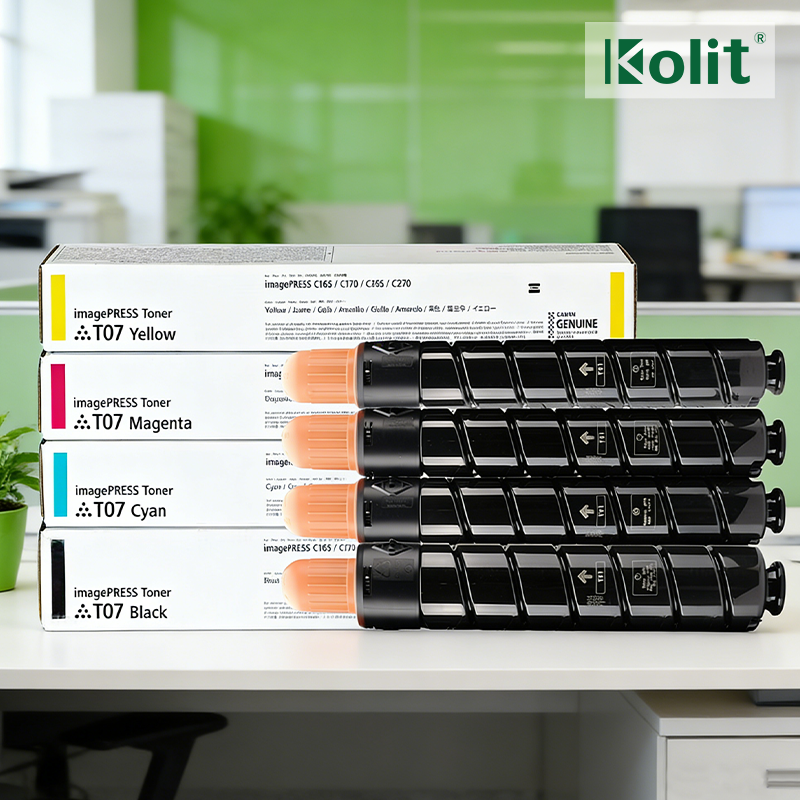
Understanding Wholesale Toner Cartridge Pricing Structures
Navigating the wholesale pricing landscape for toner cartridges requires understanding two critical factors: the type of cartridge and the quantity purchased. These elements directly shape the per-unit cost and total procurement budget for B2B buyers.
How OEM, compatible, and remanufactured toner cartridges differ in wholesale pricing bands
Original equipment manufacturer (OEM) toner cartridges command the highest wholesale prices—typically 60%–80% above non-OEM alternatives—because they come directly from the printer brand and carry full manufacturer support. Compatible toner cartridges, produced by third-party manufacturers using new components, typically cost 30–50% less than OEM units while delivering comparable page yields and reliability when sourced from ISO-certified suppliers. Remanufactured toner cartridges—refurbished OEM shells refilled with quality-controlled toner—represent the most economical tier, usually priced 50–70% below OEM. However, their consistency depends heavily on the refurbisher’s adherence to industry standards like ISO/IEC 19752 and 19798. Buyers should evaluate each category against warranty terms, yield certification, and documented compatibility with their specific printer fleet—not just upfront cost.
The impact of order volume on unit cost: tiered benchmarks from leading B2B distributors (2023–2024)
Order volume is the second major lever in wholesale pricing. Leading distributors structure tiered discounts that reduce per-unit costs as quantity increases—a model validated across 2023–2024 market data from Staples Business Advantage, Quill, and CDW. For example:
- 50–199 units: 15–20% off standard wholesale price
- 200–499 units: 25–30% off
- 500+ units: 35–40% or more off
These tiers reflect competitive pressure among suppliers and remain stable year-over-year. Consolidating smaller orders into larger batches often improves ROI—even after accounting for inventory carrying costs—provided usage forecasts are grounded in actual print volume analytics. Organizations with predictable, high-volume consumption see the strongest returns, especially when pairing bulk purchasing with high-yield or super-high-yield cartridges.
OEM vs. Non-OEM Toner Cartridges: Total Cost of Ownership Analysis
Upfront savings: 37%–62% lower wholesale prices for compatible and remanufactured toner cartridges
The primary lure of non-OEM toner cartridges is their dramatically lower purchase price. Wholesale buyers typically pay 37% to 62% less for compatible or remanufactured alternatives compared to OEM cartridges. For a business purchasing in bulk, that initial cost difference can translate into thousands of dollars in immediate savings. However, the total cost of ownership (TCO) depends on more than just the sticker price; yield consistency, print quality, and printer compatibility all affect the real cost over the cartridge’s life.
Yield reliability and printer compatibility: evaluating long-term cost-effectiveness of non-OEM toner cartridges
While upfront savings are attractive, non-OEM toner cartridges often carry trade-offs in reliability and compatibility—especially if sourced from uncertified vendors. Independent testing by Buyers Laboratory (BLI) and the International Imaging Technology Council (IITC) shows notable variance in real-world performance across brands. The table below reflects verified averages from recent BLI reports and ISO-certified lab data:
| Aspect | OEM Cartridges | Compatible / Remanufactured Alternatives |
|---|---|---|
| Average cost per page | $0.12 – $0.25 | $0.04 – $0.10 |
| Print quality consistency | 95% | 78% |
| Device compatibility | 99.8% | 85–95% |
| Average lifespan (relative) | 100% | 80–95% |
| Warranty risk | None | May void warranty if damage occurs |
Non-OEM cartridges can cut per-page costs by more than half—making them highly cost-effective for internal, high-volume printing. But lower consistency and compatibility rates mean OEM remains the prudent choice for client-facing documents, legal filings, or environments where firmware updates frequently restrict third-party access. Printer manufacturers’ evolving anti-remnant policies (e.g., HP’s Dynamic Security updates) further underscore the need for proactive compatibility validation—not just at purchase, but throughout the cartridge lifecycle.
Cost Per Page: The Definitive Metric for Toner Cartridge Value
Calculating true cost per page across standard, high-yield, and super-high-yield toner cartridges
To determine the most cost-effective toner cartridges, businesses must calculate the true cost per page (CPP)—a metric computed by dividing the wholesale cartridge price by its certified page yield. Relying solely on unit price misleads procurement teams: a $150 super-high-yield cartridge may cost less per page than a $40 standard unit if its yield is proportionally higher.
Standard cartridges have the lowest upfront cost but also the lowest yield, resulting in a moderate CPP. High-yield (XL) options, despite a higher initial price, contain more toner and thus offer a lower CPP—typically 20–35% more economical than standard units. Super-high-yield cartridges deliver the greatest economies of scale, reducing CPP by 40–60% for high-volume operations. For accurate comparisons, always verify yield certifications through independent testing labs like BLI or UL, as actual performance can vary significantly between manufacturers—even within the same category.
Cost Per Page Comparison
| Cartridge Type | Wholesale Price Range | Page Yield Range | Relative CPP Advantage |
|---|---|---|---|
| Standard | $25–$40 | 1,500–2,500 | Baseline |
| High-Yield (XL) | $65–$90 | 3,500–5,000 | 20–35% lower |
| Super-High-Yield | $110–$150 | 7,000–12,000 | 40–60% lower |
Procurement teams should prioritize CPP over unit price alone—and cross-reference yield claims with third-party test reports—to maximize long-term savings without compromising output integrity.
Maximizing Savings with Bulk Purchasing Strategies for Toner Cartridges
How tiered bulk discounts (50+, 200+, 500+ units) reshape effective pricing and inventory ROI
Purchasing toner cartridges in bulk unlocks substantial savings through tiered discount structures. Major suppliers—including Staples Business Advantage, Quill, and CDW—offer 15–20% discounts at 50-unit orders, scaling to 25–30% for 200+ units, and up to 35–40% for pallet-level purchases (500+ units). This progressive model directly lowers the effective cost per cartridge, enabling organizations to redirect saved capital toward strategic initiatives.
For example, a 500-unit purchase of compatible high-yield cartridges could reduce annual expenditure by $8,500 compared to piecemeal buying—based on average $17/cartridge savings at enterprise tiers. To optimize inventory ROI, align bulk frequency with actual print volume data and cartridge yield rates. Centralized procurement teams should:
- Conduct quarterly print volume audits
- Match order quantities to 90-day usage cycles
- Negotiate flexible restocking clauses
Avoid overstocking low-yield cartridges while capitalizing on volume discounts for high-utilization models. This balanced approach reduces carrying costs by 18–27% annually while maintaining uninterrupted operations—especially when combined with automated usage tracking tools integrated with fleet management platforms.
FAQ Section
What are OEM toner cartridges?
OEM (Original Equipment Manufacturer) toner cartridges are produced by the same company that manufactures the printer and typically offer full compatibility, reliability, and warranty support.
How can businesses benefit from bulk purchasing toner cartridges?
Bulk purchasing allows businesses to access tiered discounts, enabling significant cost savings. Consolidating larger orders often improves the return on investment (ROI) while reducing per-unit costs.
What is Cost Per Page (CPP) and why is it important?
CPP is calculated by dividing the wholesale price of a cartridge by its certified page yield. It helps businesses identify the most cost-effective cartridge options based on actual printing costs.
Are compatible and remanufactured toner cartridges as reliable as OEM cartridges?
While compatible and remanufactured cartridges are cheaper, their reliability and compatibility may vary depending on the vendor and certification standards, making OEM cartridges ideal for critical business documents.
What does yield certification mean?
Yield certification ensures that the cartridge's page yield has been independently tested and verified for accuracy, helping buyers make informed decisions when comparing alternatives.