
 EN
EN



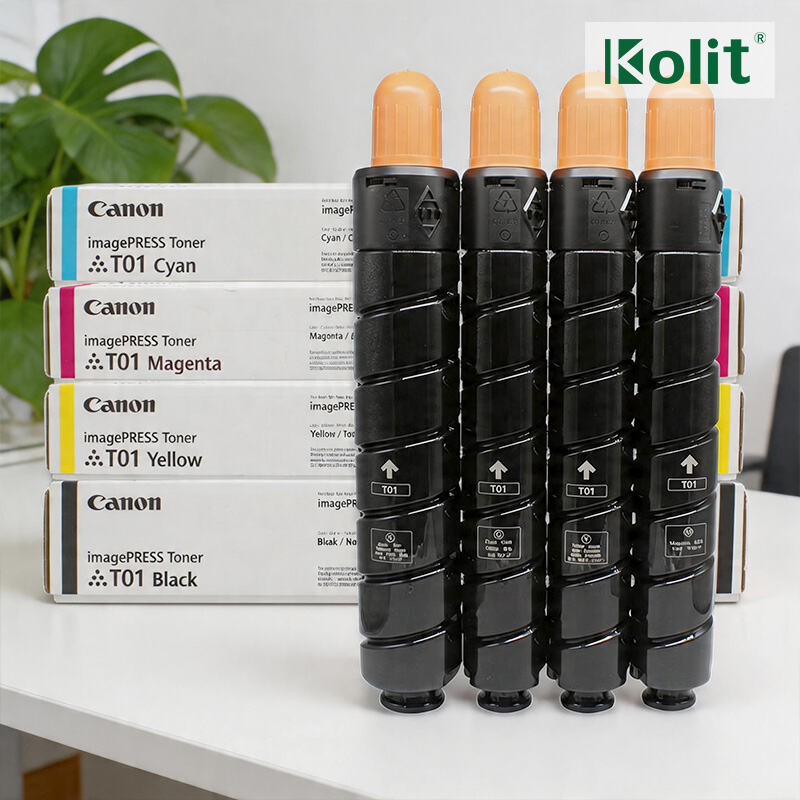
Copier leasing has become one of the most widely adopted strategies for managing office equipment in modern businesses. Rather than committing large capital to purchasing hardware outright, companies of all sizes are turning to copier leasing as a flexible, cost-effective alternative. Understanding why this model is so popular can help decision-makers choose the right path for their organization's printing and document management needs.
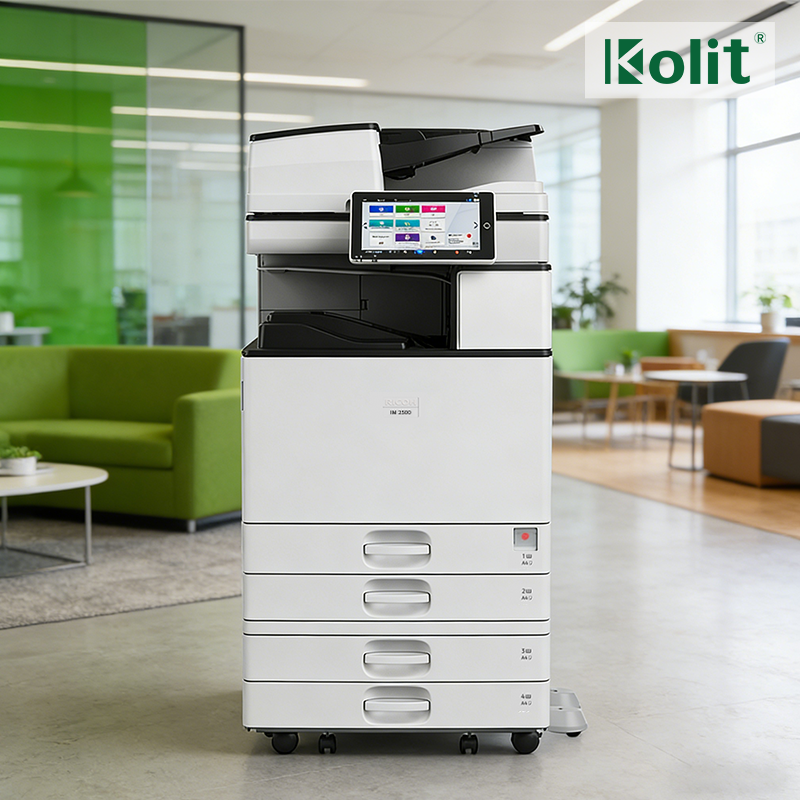
Copier leasing is not simply about avoiding a large upfront payment. It is a structured business decision that affects cash flow, technology access, operational efficiency, and long-term scalability. When businesses explore copier leasing carefully, they often discover that it aligns far better with their operational goals than ownership does. This article walks through the core reasons why businesses consistently choose copier leasing over buying.
The Financial Case for Copier Leasing
Preserving Capital and Improving Cash Flow
One of the strongest reasons businesses choose copier leasing is financial flexibility. Purchasing a high-quality office copier outright requires a significant one-time investment, which ties up capital that could otherwise fund operations, marketing, or staffing. Copier leasing spreads that cost into predictable monthly payments, making budgeting far more manageable. For small and mid-sized businesses especially, copier leasing ensures that cash reserves remain available for higher-priority expenditures.
Copier leasing also offers potential tax advantages in many regions, where lease payments may be classified as operational expenses rather than capital expenditures. This distinction can reduce taxable income and improve year-end financial reporting. Businesses that use copier leasing effectively are often able to redirect savings toward growth initiatives rather than equipment depreciation.
Avoiding Hidden Ownership Costs
Owning a copier involves more than just the purchase price. Maintenance, repairs, toner, and eventual replacement costs can accumulate quickly. Copier leasing agreements typically bundle these expenses into a single monthly fee or offer service contracts that cover them separately. This approach eliminates surprise costs and gives finance teams a clear, stable expenditure line. Copier leasing makes the total cost of document management more transparent and predictable over the contract period.
Operational Advantages of Copier Leasing
Access to Up-to-Date Technology
Technology evolves rapidly in the office equipment sector. A copier purchased today may become outdated within a few years as newer models offer faster speeds, better energy efficiency, and advanced digital integration. Copier leasing solves this problem by allowing businesses to upgrade at the end of each lease term. Instead of being locked into aging hardware, companies that rely on copier leasing can regularly refresh their equipment to match current workflow demands.
For example, a modern copier leasing solution might include a high-performance A3 monochrome laser device capable of printing, copying, and scanning at professional speeds. With copier leasing, businesses access this level of performance without the full ownership burden, and they can move to even better models when the lease concludes.
Simplified Maintenance and Support
Copier leasing arrangements often come with included or easily bundled maintenance support. This means businesses do not need to source independent technicians or manage repair logistics on their own. When a leased device needs servicing, the leasing provider typically handles it promptly. Copier leasing therefore reduces the administrative burden on IT teams and office managers, allowing staff to focus on core business tasks rather than equipment upkeep.
This operational simplicity is especially valuable for businesses with multiple locations. Managing a fleet of owned devices across several offices introduces complexity. Copier leasing with centralized service agreements streamlines this process considerably, ensuring consistent uptime across the entire organization.
Strategic Reasons Businesses Prefer Copier Leasing
Scalability to Match Business Growth
Business needs change. A company that requires one copier today may need five within two years. Copier leasing supports this kind of scalability far more easily than ownership. Lease agreements can often be adjusted, expanded, or renegotiated as organizational demands shift. Copier leasing gives businesses the agility to respond to growth or contraction without the financial penalty of selling off unwanted owned equipment.
Startups and fast-growing businesses find copier leasing particularly valuable. Rather than committing to a long-term asset that may not fit their future structure, they use copier leasing to stay nimble. This flexibility reduces risk and ensures that document management capacity always aligns with actual operational size.
Reducing Risk and Improving Planning
Copier leasing reduces the risk of technological obsolescence and unexpected repair costs, but it also improves long-term planning. When businesses enter a copier leasing agreement, they know exactly what their equipment costs will be for the duration of the term. This certainty supports more accurate financial forecasting. Copier leasing removes the unpredictability that comes with owning aging hardware, making it easier for operations managers to plan quarterly and annual budgets.
Additionally, copier leasing provides an exit path at the end of each term. Rather than dealing with the depreciated resale value of owned equipment, businesses simply return the device and either upgrade or end the arrangement. Copier leasing keeps businesses from being trapped in long-term ownership of equipment that no longer serves their needs efficiently.
FAQ
Is copier leasing suitable for small businesses?
Yes, copier leasing is often an excellent choice for small businesses. It removes the need for large upfront investment and provides access to professional-grade equipment with predictable monthly costs. Small businesses benefit from copier leasing because it preserves working capital and includes service support that would otherwise require a separate budget.
How long does a typical copier leasing agreement last?
Copier leasing agreements commonly run between 24 and 60 months, with 36-month and 48-month terms being the most popular. The length of a copier leasing contract can often be negotiated based on the business's needs and the type of equipment involved. Shorter terms offer more flexibility, while longer copier leasing agreements may come with lower monthly payments.
What happens at the end of a copier leasing term?
At the end of a copier leasing agreement, businesses typically have three options: return the equipment, upgrade to a newer model under a new copier leasing contract, or in some cases purchase the device at its residual value. Most businesses that have relied on copier leasing choose to upgrade, allowing them to continue benefiting from the latest technology without the costs associated with outright ownership.