
 EN
EN



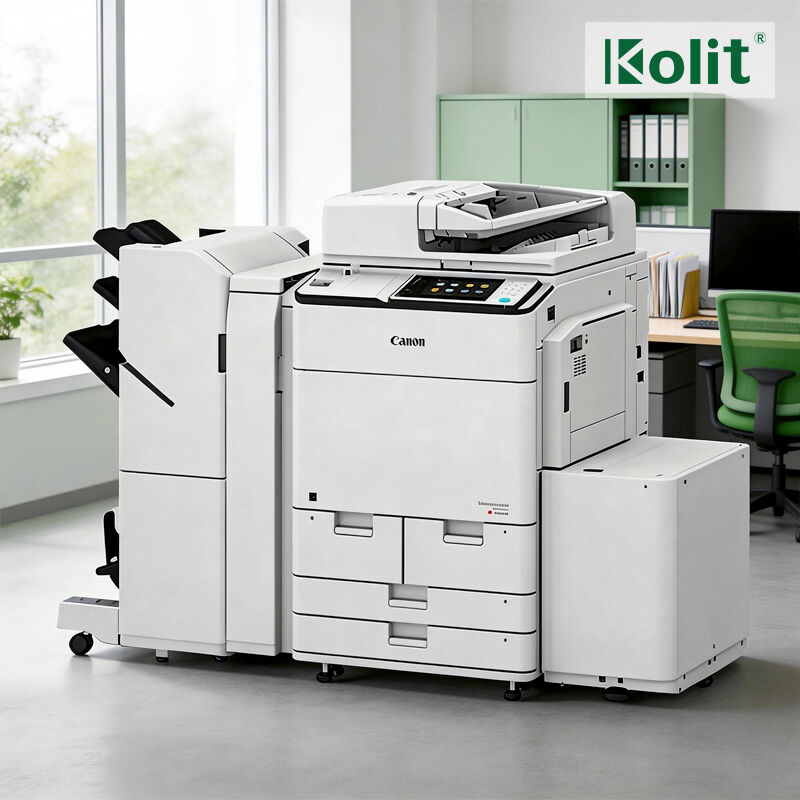
A well-defined copier strategy is one of the most overlooked opportunities in corporate operations. Many organizations invest heavily in digital tools yet neglect to examine how their document output environment affects productivity, cost, and workflow continuity. A deliberate copier strategy addresses these gaps by aligning printing infrastructure with business objectives, ensuring that every device, policy, and process contributes measurable value rather than operational drag.
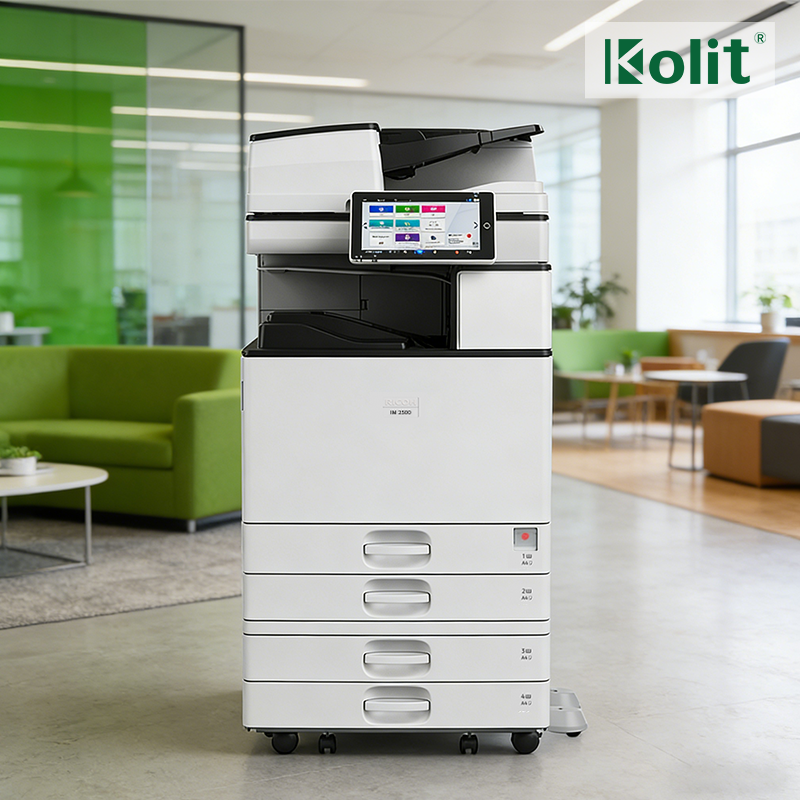
Corporate printing efficiency is not simply about choosing a fast machine. It depends on how comprehensively a copier strategy is designed and executed. From fleet consolidation to print policy governance, a strong copier strategy shapes how teams interact with documents daily. Organizations that invest time into building a structured copier strategy consistently report lower per-page costs, faster document turnaround, and reduced IT support burden compared to those operating without one.
The Foundation of a Corporate Copier Strategy
Assessing Your Current Print Environment
No effective copier strategy begins without a thorough audit of the existing print environment. Decision-makers need to understand how many devices are in use, what volume each handles, and where redundancies exist. This assessment forms the factual baseline upon which a practical copier strategy is built. Without reliable data, any copier strategy risks misalignment between device capacity and actual departmental demand.
A print audit within your copier strategy should capture page volumes by department, identify underutilized machines, and flag devices generating disproportionate maintenance costs. This diagnostic phase of a copier strategy often reveals that organizations are operating two to three times more devices than necessary. Streamlining the fleet is typically the first actionable output of a mature copier strategy and delivers immediate cost reductions.
Defining Print Policies and Access Controls
A copier strategy without governance is incomplete. Clear print policies define who can print in color, when duplex printing is mandatory, and which departments require dedicated device access. These policies, embedded within a broader copier strategy, reduce unnecessary output and promote accountability. Organizations that enforce structured print policies as part of their copier strategy typically reduce total print volume by a significant margin within the first year.
Access control is another governance layer within a strong copier strategy. Authenticated printing, where users must verify identity at the device before a job releases, eliminates uncollected prints and protects sensitive documents. Incorporating authentication into a copier strategy also provides accurate per-user data, enabling further refinement of the overall copier strategy over time.
Device Selection Within a Copier Strategy
Matching Device Capability to Business Volume
Choosing the right hardware is central to any copier strategy. A device that is underpowered for its workload creates bottlenecks, while an overpowered machine inflates capital and maintenance expenditure unnecessarily. A sound copier strategy matches device speed, paper capacity, and feature sets directly to the documented needs of each location or department. This alignment is what separates a reactive procurement habit from a proactive copier strategy.
For mid-volume corporate environments, monochrome A3 laser copiers represent a practical anchor within a copier strategy. These devices handle both letter and ledger formats efficiently, support scan-to-workflow functions, and deliver low per-page costs at sustained volumes. When integrated thoughtfully, a reliable monochrome device strengthens the economic case for the entire copier strategy. The copier strategy-aligned Ricoh IM2500 is one example of a 25ppm A3 monochrome device suited to office and school environments where consistent output and scanning integration are priorities.
Balancing Total Cost of Ownership
A comprehensive copier strategy evaluates total cost of ownership rather than purchase price alone. Supply costs, energy consumption, maintenance frequency, and expected device lifespan all factor into the financial model that supports a copier strategy. Organizations that focus exclusively on acquisition cost when forming a copier strategy often encounter higher long-term expenditure due to consumable pricing and service contract terms.
Embedding TCO analysis into the device selection phase of a copier strategy protects budget predictability. A well-structured copier strategy specifies maximum acceptable cost-per-page thresholds, service response time requirements, and supply availability criteria. These parameters guide procurement decisions and prevent the copier strategy from being undermined by short-term purchasing choices that generate long-term inefficiency.
Sustaining and Evolving a Copier Strategy
Monitoring Performance Against Objectives
A copier strategy is not a one-time exercise. Ongoing performance monitoring is essential to ensure the copier strategy continues delivering results as business needs evolve. Key performance indicators within a copier strategy typically include cost per page, device uptime rate, average print job response time, and monthly volume trends. Reviewing these metrics quarterly allows organizations to identify when a copier strategy requires adjustment before inefficiencies become entrenched.
Adapting the Copier Strategy to Organizational Change
Corporate growth, office relocations, and hybrid work models all create pressure points within an existing copier strategy. A resilient copier strategy includes a review mechanism triggered by significant organizational changes. When headcount grows or departments merge, the copier strategy must re-evaluate device placement, fleet size, and print policy settings to maintain alignment. Organizations that treat the copier strategy as a living framework rather than a static plan sustain efficiency gains over longer periods.
Technology evolution also drives copier strategy updates. Cloud print management, mobile print capabilities, and document workflow automation are increasingly relevant components of a modern copier strategy. Incorporating these capabilities into a copier strategy incrementally ensures that the printing environment remains an asset rather than a limitation within the broader corporate technology ecosystem.
FAQ
What is the first step in building a copier strategy for a corporation?
The first step in any copier strategy is conducting a detailed print audit. This audit establishes baseline data on device count, print volumes, and associated costs, giving the copier strategy team the factual foundation needed to make informed decisions about fleet consolidation, policy design, and device selection.
How often should a copier strategy be reviewed?
A copier strategy should be reviewed at least once per year, with additional reviews triggered by significant organizational changes such as office expansion, workforce restructuring, or the introduction of new document workflow requirements. Regular reviews keep the copier strategy aligned with current operational realities.
Can a copier strategy reduce operational costs significantly?
Yes, a structured copier strategy can produce meaningful cost reductions. By consolidating fleets, enforcing print policies, and selecting devices with favorable total cost of ownership, a well-executed copier strategy typically reduces print-related expenditure while improving document workflow speed and reliability across the organization.