
 EN
EN



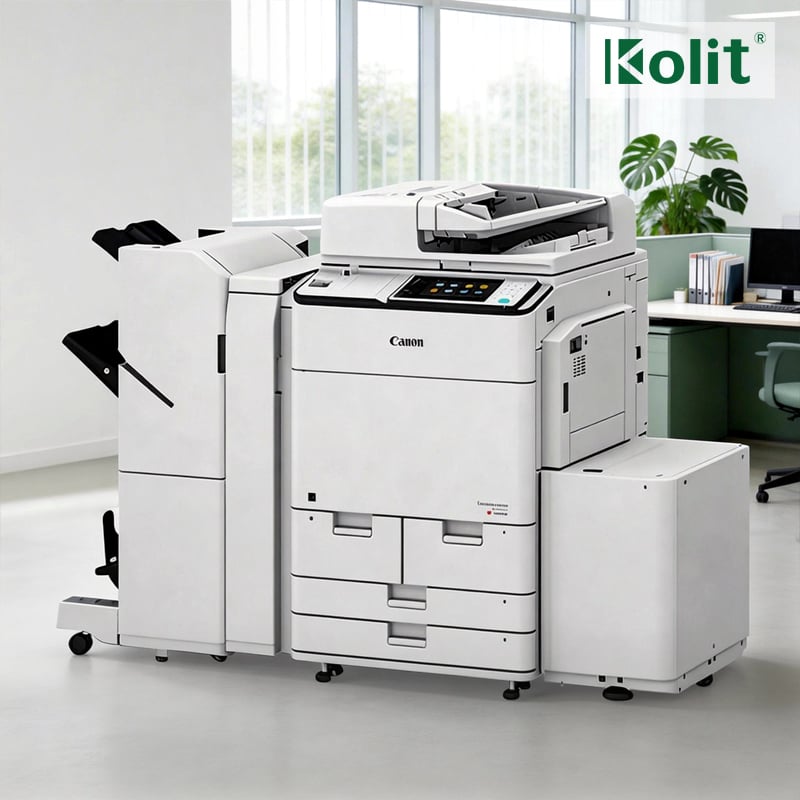
Printer leasing is one of the most practical ways for businesses to access high-quality printing equipment without the burden of large upfront costs. Whether you are setting up a new office, expanding an existing one, or simply looking to modernize your document workflow, printer leasing offers a structured, budget-friendly path. Understanding how to implement it correctly from the very beginning can save your organization both time and money.
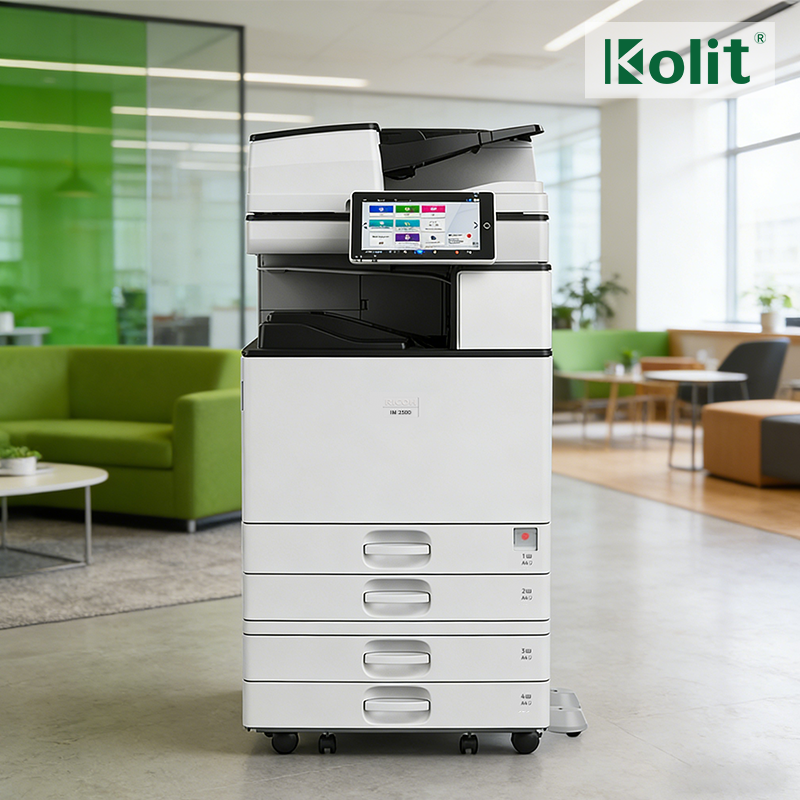
A well-planned printer leasing process ensures you select the right equipment, negotiate favorable contract terms, and avoid costly mistakes down the line. This guide walks through each stage of implementing printer leasing in a clear, logical sequence so that decision-makers in any industry can move forward with confidence. From initial assessment to deployment, every step matters when it comes to making printer leasing work for your specific needs.
Assessing Your Printing Needs Before Leasing
Evaluating Print Volume and Workflow Requirements
Before entering any printer leasing agreement, you must conduct a thorough internal assessment. Start by calculating the average monthly print volume across all departments. Printer leasing contracts are often structured around usage tiers, so having accurate volume data prevents you from paying for capacity you will never use or being charged overage fees on a plan that is too small. Document the types of print jobs your team handles, including black-and-white documents, color marketing materials, or large-format outputs.
Printer leasing decisions also depend on workflow integration. Consider whether the device needs to connect with your existing cloud platforms, document management software, or network security protocols. A printer leasing arrangement that includes a device misaligned with your IT infrastructure will create friction rather than efficiency. Identify all stakeholders who will use the equipment and gather their input before moving forward.
Setting a Realistic Budget for Printer Leasing
Printer leasing typically involves a monthly fee that covers the device, maintenance, and sometimes consumables like toner. Set a monthly budget that accounts for the full cost of printer leasing, not just the hardware rental figure. Factor in potential charges for exceeding print quotas, end-of-lease return fees, and any add-on services such as on-site technical support. Having a clear budget ceiling before you approach providers keeps negotiations focused and prevents scope creep.
Selecting the Right Equipment and Lease Structure
Choosing the Right Printer for Your Lease
The equipment you select under a printer leasing plan is critical. For office environments with moderate to high print demands, a reliable monochrome laser device such as the printer leasing option for A3 formats and multifunction capabilities delivers strong value. Devices that combine printing, copying, and scanning under a single printer leasing contract reduce the number of vendor relationships you must manage and often lower the total cost per page.
When evaluating printer leasing equipment options, look for energy efficiency ratings, paper handling flexibility, and remote management features. In a business environment, downtime is expensive, so prioritize devices with strong reliability track records. Ask the leasing provider for data on mean time between failures and the average response time for service calls. Printer leasing becomes far more valuable when the hardware itself performs consistently over the contract term.
Understanding Lease Term Options
Printer leasing agreements typically come in short-term options of twelve to twenty-four months or longer commitments of thirty-six to sixty months. Short-term printer leasing offers flexibility and allows you to upgrade to newer technology more frequently, while long-term printer leasing usually comes with lower monthly payments. The right choice depends on how rapidly your printing needs are expected to change and whether your business environment values stability over adaptability.
Within the printer leasing structure, you will also encounter choices between operating leases and finance leases. An operating lease under printer leasing keeps the asset off your balance sheet and typically includes maintenance, making it attractive for businesses focused on operational simplicity. A finance lease under printer leasing treats the device more like an owned asset and may suit organizations intending to purchase the equipment at lease end. Consult your finance team before finalizing the printer leasing structure.
Negotiating, Signing, and Managing Your Lease
Key Contract Terms to Review in Printer Leasing
Before signing any printer leasing agreement, review the contract with close attention to several key clauses. The monthly allowance for printed pages is central to every printer leasing contract. Clarify what happens when you exceed this limit and whether the overage rate is capped. Printer leasing agreements should also define the maintenance scope, including whether toner replacement, drum units, and on-site labor are included or billed separately.
Early termination clauses are another critical area in printer leasing contracts. Understand the penalty structure if your business circumstances change and you need to exit the printer leasing arrangement before the term ends. Also confirm the end-of-lease return conditions, including acceptable wear standards and any data security procedures required when returning the device. A well-negotiated printer leasing contract protects you from unexpected charges throughout the lease period.
Deploying and Managing Your Leased Printer
Once the printer leasing contract is signed, coordinate with your IT team for installation and network integration. Printer leasing providers often offer setup assistance, so leverage this service to ensure the device is configured correctly from day one. Register the printer leasing equipment with the provider's service portal to streamline maintenance requests and track usage statistics against your monthly allowance.
Ongoing printer leasing management involves monitoring print volumes, managing user access permissions, and scheduling periodic reviews with your provider. Many printer leasing arrangements include quarterly usage reports that help you identify inefficiencies and adjust your plan if needed. Keeping active oversight of your printer leasing contract ensures you maximize value and avoid drifting into unplanned costs over time.
FAQ
What is the minimum commitment period for printer leasing?
Most printer leasing providers offer terms starting at twelve months, though twenty-four to thirty-six month agreements are the most common. The minimum term for printer leasing often depends on the device value and whether the provider includes maintenance services in the package.
Can a small business benefit from printer leasing?
Yes, printer leasing is particularly well-suited for small businesses because it eliminates the need for large capital expenditure on equipment. Printer leasing allows small businesses to access enterprise-grade devices with predictable monthly costs and built-in maintenance support, which improves budget control and operational reliability.
What happens to the printer at the end of a leasing term?
At the end of a printer leasing term, you typically have the option to return the device, renew the printer leasing agreement with upgraded equipment, or in some cases purchase the device at a residual value. The specific options available depend on the terms negotiated in your original printer leasing contract.