
 EN
EN



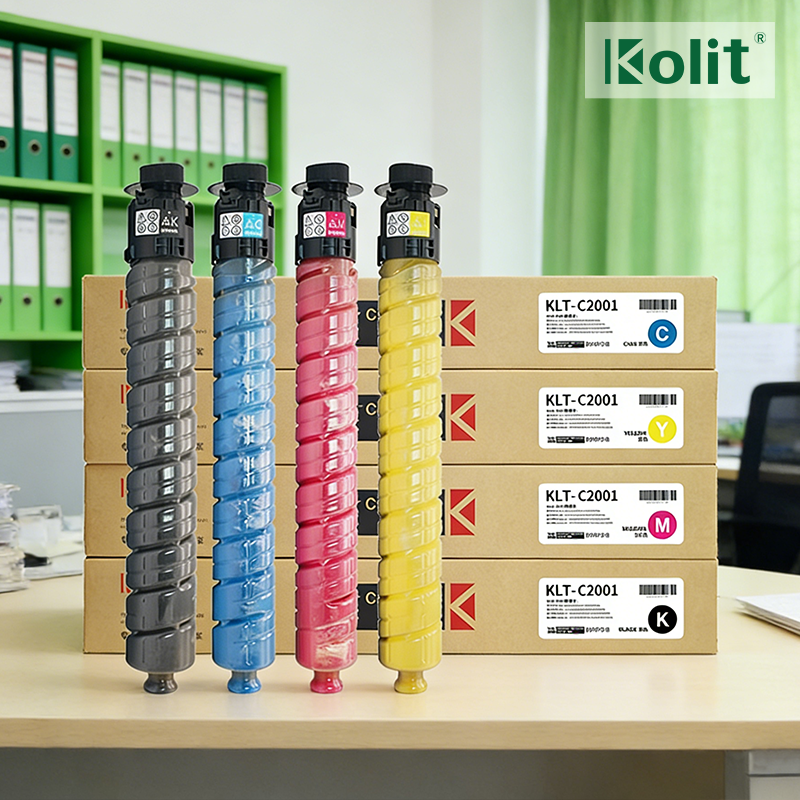
Implementing toner refill powder solutions is a practical approach that many businesses adopt to reduce printing costs without sacrificing output quality. Whether you manage a small office or a large document-processing environment, understanding how toner refill powder works and how to apply it correctly can make a measurable difference in your operational budget. The process is not simply about pouring powder into a cartridge — it requires selecting the right toner refill powder, following proper procedures, and maintaining equipment to sustain consistent print performance.
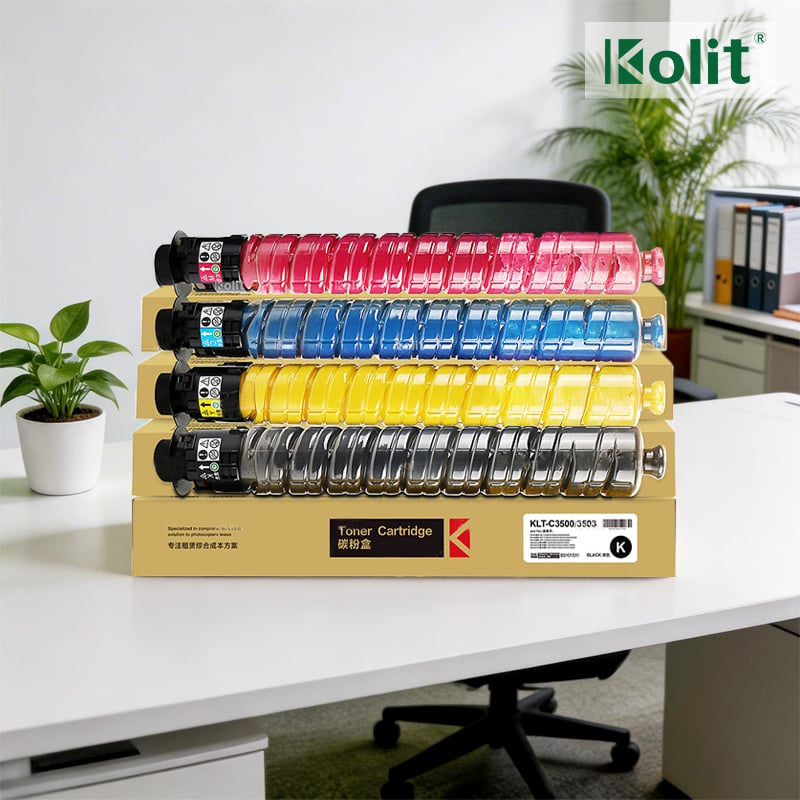
Many organizations find that a structured approach to toner refill powder implementation reduces waste, improves supply chain predictability, and keeps photocopiers running at peak efficiency. This guide walks through the essential stages of implementing toner refill powder solutions — from understanding the basics and selecting the right product, to executing the refill process and maintaining print quality over time. Each step is designed to give decision-makers and technicians the practical knowledge they need to implement toner refill powder confidently and safely.
Understanding Toner Refill Powder Fundamentals
What Toner Refill Powder Actually Is
Toner refill powder is a fine, electrostatically charged polymer-based compound used inside laser printers and photocopiers to form printed images and text on paper. Unlike ink, toner refill powder is dry and adheres to paper through a combination of heat and pressure applied by the fuser unit. The chemical composition of toner refill powder varies by machine model, which is why compatibility is one of the most critical factors when selecting a product for your specific device. Using the wrong toner refill powder can result in poor print quality, machine damage, or complete print failure.
Each toner refill powder formulation is engineered to match the fuser temperature range and drum sensitivity of a particular photocopier or laser printer series. Understanding these technical specifications before purchasing toner refill powder ensures that your implementation delivers reliable results from the very first cartridge refill.
Compatibility and Device Matching
Before sourcing toner refill powder in bulk, always verify the exact model number of your photocopier or printer. Toner refill powder specifications — including particle size, melting point, and color pigment concentration — differ significantly across device families. For color photocopiers, toner refill powder is available in cyan, magenta, yellow, and black variants, and each color channel must be matched precisely. Mixing incompatible toner refill powder into a cartridge designed for a different specification will almost certainly produce streaking, color drift, or fuser damage. Checking technical datasheets and consulting device documentation are essential steps before any toner refill powder purchase decision is made.
Step-by-Step Toner Refill Powder Implementation
Preparing the Workspace and Tools
A clean, well-ventilated workspace is the foundation of a successful toner refill powder implementation. Toner refill powder particles are extremely fine and can become airborne during the refill process, so wearing gloves and a dust mask is strongly recommended. Lay a protective mat or newspaper on the work surface to catch any spilled toner refill powder. Have a small funnel, a soft brush, and a lint-free cloth available before starting. Proper preparation prevents contamination, protects the technician, and reduces the risk of toner refill powder reaching internal machine components where it does not belong.
Executing the Refill Process
Start by removing the cartridge from the photocopier carefully and placing it on your prepared work surface. Locate the refill port or remove the sealing cap according to the cartridge design — this step varies between cartridge types, so referencing a model-specific guide is advisable. Slowly pour the measured amount of toner refill powder into the cartridge using the funnel, avoiding sudden movements that could cause toner refill powder to spill. Most cartridges have a recommended fill level, and overfilling with toner refill powder can cause leakage or print quality issues. Once filled, reseal the port securely, shake the cartridge gently to distribute the toner refill powder evenly, and reinstall it into the device. Run a test print to confirm that the toner refill powder is flowing correctly and producing consistent output.
If the test print shows uneven density or color inconsistency, the issue may be related to uneven distribution of the toner refill powder inside the cartridge. Remove the cartridge again and rotate it slowly from side to side to redistribute the toner refill powder before reinstalling. This simple adjustment often resolves initial output irregularities without requiring additional toner refill powder or a new cartridge.
Maintaining Quality After Toner Refill Powder Implementation
Monitoring Print Output and Cartridge Performance
After implementing toner refill powder, it is essential to monitor print output regularly. Print quality checks should include assessing text sharpness, color accuracy, and background cleanliness. A gradual decline in print density often signals that the toner refill powder level is running low and the cartridge needs attention. Establishing a print log that records the volume of pages printed after each toner refill powder application helps predict refill intervals and prevents unexpected downtime. Many organizations that adopt toner refill powder solutions find that systematic monitoring improves their overall supply planning significantly.
Drum and Component Care
The drum unit is a critical component that directly interacts with toner refill powder during the printing process. Excessive residual toner refill powder buildup on the drum can cause ghosting or image defects. Cleaning the drum surface with a lint-free cloth during each toner refill powder refill cycle helps maintain consistent print quality. Additionally, inspecting the wiper blade — which removes excess toner refill powder from the drum after each print cycle — ensures that spent toner refill powder does not accumulate and cause premature drum wear. A well-maintained drum extends the effective life of each toner refill powder application and reduces total cost per page over time.
Storing toner refill powder correctly also contributes to sustained quality. Keep toner refill powder containers sealed and stored at room temperature, away from direct sunlight and high humidity. Exposure to moisture can cause toner refill powder particles to clump, making them difficult to distribute evenly during the refill process and reducing overall print performance.
FAQ
How often should toner refill powder be applied to a cartridge?
The frequency of toner refill powder application depends on your monthly print volume and the page yield of each cartridge. For high-volume environments, toner refill powder may need to be added every few weeks. Tracking pages printed after each toner refill powder application gives you a reliable baseline for scheduling future refills and managing supply inventory efficiently.
Can toner refill powder damage a photocopier if used incorrectly?
Yes, using incompatible or incorrectly applied toner refill powder can cause issues including fuser damage, drum scratching, or internal contamination. Always use toner refill powder that is specified for your exact device model, follow the correct fill procedure, and avoid overfilling. Proper technique and compatible toner refill powder together minimize any risk of machine damage.
Is toner refill powder cost-effective compared to buying new cartridges?
In most business environments, toner refill powder solutions offer meaningful cost savings compared to purchasing brand-new cartridges each time. The savings are most significant in high-volume print settings where cartridge consumption is frequent. However, cost-effectiveness depends on sourcing quality toner refill powder that delivers consistent yield and does not cause equipment issues that generate additional repair costs.