
 EN




Achieving strong return on investment from your printing supplies has never been more critical to office operations. Every organization that relies on high-volume printing faces the challenge of balancing quality output with operational costs, and the decisions made around premium toner cartridge procurement directly influence both profitability and productivity. A premium toner cartridge delivers superior print quality, longer yield, and reduced downtime compared to standard alternatives, yet many companies fail to capture the full financial benefit because they lack a structured approach to optimization. Understanding how to maximize premium toner cartridge ROI requires a comprehensive strategy that encompasses vendor selection, usage monitoring, waste reduction, and performance measurement.
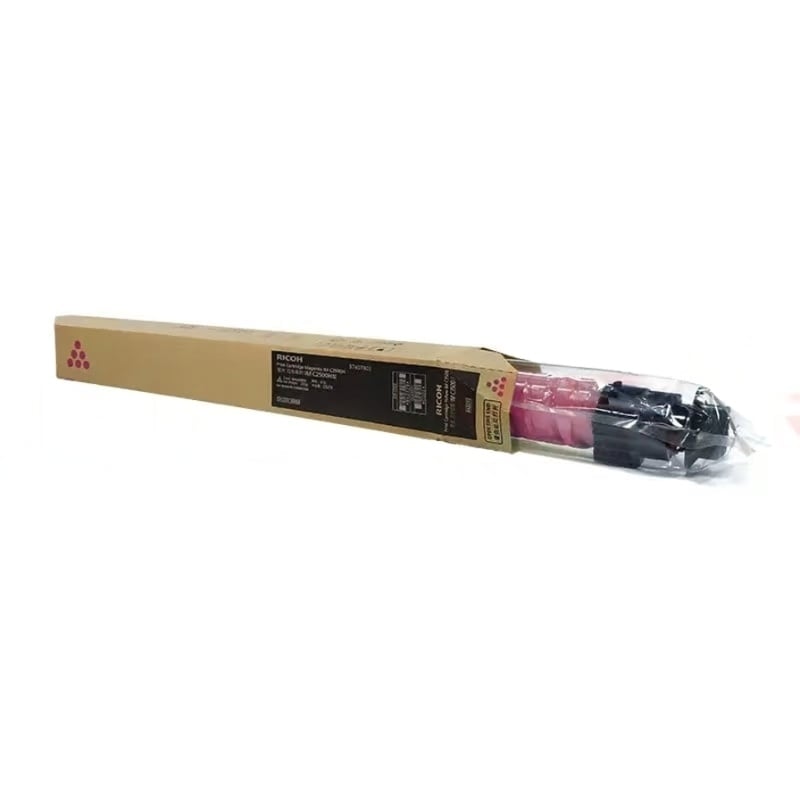
When businesses implement deliberate premium toner cartridge strategies, they typically see measurable gains in cost per page, system reliability, and employee satisfaction. The path to maximizing premium toner cartridge returns involves evaluating total cost of ownership, not just unit price, and recognizing that premium toner cartridge investments yield benefits far beyond the initial purchase. This article explores proven methods to extract maximum value from your premium toner cartridge expenditure throughout 2026 and beyond.
Understanding the True Cost of Premium Toner Cartridge Ownership
Hidden Costs Beyond Purchase Price
Many procurement teams focus exclusively on the upfront price of a premium toner cartridge without accounting for operational expenses that significantly impact bottom-line ROI. A premium toner cartridge that costs slightly more but produces 15 percent additional pages delivers lower cost per page than a cheaper alternative that runs out faster. Equipment downtime, emergency rush orders, and supply chain disruptions add substantial hidden costs that proper premium toner cartridge selection can prevent. When a premium toner cartridge fails prematurely or delivers inconsistent quality, the resulting workflow interruptions, reprinting, and frustrated staff create costs that exceed the cartridge price many times over. Evaluating premium toner cartridge ROI demands a total cost of ownership analysis that includes page yield, print quality consistency, equipment compatibility, and supply chain reliability.
Calculating Cost per Page Accurately
The cost per page metric reveals the true efficiency of any premium toner cartridge investment. To calculate this accurately, divide the cartridge purchase price by the manufacturer's rated page yield at 5 percent coverage, then compare this figure across competing options. A premium toner cartridge with higher upfront cost but superior yield often produces the lowest cost per page when examined objectively. Organizations that track cost per page across all print devices create accountability and justify premium toner cartridge spending to finance departments. This metric also helps identify underutilized equipment and right-size fleet composition. By establishing a baseline cost per page before implementing your premium toner cartridge optimization strategy, you create a measurable performance target and can demonstrate ROI improvement to stakeholders throughout the year.
Strategic Sourcing and Vendor Partnership for Premium Toner Cartridge Value
Selecting Authorized Distributor Relationships
Partnering with authorized distributors who specialize in your specific equipment brand ensures that every premium toner cartridge you purchase meets original manufacturer specifications and quality standards. Unauthorized resellers and gray-market suppliers often sell counterfeit or refurbished premium toner cartridge products that appear cheaper initially but fail to deliver promised yield or cause equipment damage requiring expensive repairs. An authorized distributor provides product traceability, warranty protection, technical support, and volume pricing options that maximize premium toner cartridge ROI across your entire fleet. These relationships also offer access to predictive analytics, usage data, and supply forecasting that help you avoid stockouts and emergency premium toner cartridge purchases at inflated prices. Building long-term vendor partnerships with established distributors creates negotiating leverage, priority allocation during supply constraints, and opportunities to implement managed print services that reduce overall premium toner cartridge costs.
Volume Purchasing and Contract Negotiation
Consolidating your premium toner cartridge purchases through a single approved vendor or limited vendor network typically yields 10 to 20 percent price reductions compared to fragmented spot purchases. Presenting annual volume projections and committing to consistent orders signals stability that allows distributors to allocate premium toner cartridge inventory more favorably and offer volume-based discounting. Negotiate tiered pricing schedules where your premium toner cartridge costs decrease as annual volume thresholds are reached, creating incentive alignment and predictable spending. Include performance clauses in contracts specifying delivery timelines, quality standards, and replacement policies for defective premium toner cartridge units. Annual contract reviews allow you to benchmark your premium toner cartridge pricing against market rates and adjust terms based on changing business needs, ensuring your spending remains competitive and your ROI targets stay achievable.
Optimizing Premium Toner Cartridge Usage and Reducing Waste
Implementing Print Fleet Monitoring Systems
Modern fleet management software provides real-time visibility into printer performance, usage patterns, and premium toner cartridge consumption across all networked devices. These systems automatically track when a premium toner cartridge reaches end-of-life, predict replacement timing, and trigger reorder processes before stockouts occur. By monitoring which departments, teams, or individuals consume the most premium toner cartridge resources, you identify opportunities for print volume reduction and cost control interventions. Fleet monitoring also detects printer malfunctions, poor quality issues, or efficiency problems that increase premium toner cartridge consumption or waste. Organizations using premium toner cartridge monitoring typically achieve 15 to 25 percent reduction in overall print volume within six months, translating directly to lower premium toner cartridge spending and improved ROI.
Reducing Unnecessary Print Volume and Waste
Even premium toner cartridge products cannot deliver positive ROI if your organization prints documents unnecessarily or uses inefficient print settings. Implementing default duplex printing settings reduces paper consumption by 50 percent and proportionally extends the life of every premium toner cartridge in your fleet. Establishing digital-first document workflows, eliminating redundant printing, and using high-density toner settings for internal documents conserves premium toner cartridge resources without sacrificing output quality. Training staff on print optimization, encouraging use of preview functions before printing, and providing centralized print accounting visibility help embed cost-conscious printing habits. These behavioral and process changes amplify the benefit of every premium toner cartridge dollar spent, allowing you to achieve higher ROI through waste elimination rather than purchasing additional supplies.
Performance Tracking and Continuous ROI Improvement
Establishing ROI Metrics and Dashboards
Create a comprehensive dashboard tracking premium toner cartridge ROI across key metrics including cost per page, print volume trends, cartridge replacement frequency, equipment downtime, and print quality ratings. Baseline these metrics before implementing optimization changes so you can quantify improvement attributable to your premium toner cartridge strategy. Monthly reporting keeps leadership informed of premium toner cartridge spending trends and ROI progress, building organizational commitment to cost management initiatives. Include both financial metrics such as cost reduction and operational metrics such as equipment reliability and user satisfaction to demonstrate the complete value of premium toner cartridge investments. Benchmarking your organization's cost per page against industry standards helps validate whether your premium toner cartridge ROI performance is competitive and identifies additional optimization opportunities.
Conducting Quarterly Reviews and Strategy Adjustments
Review your premium toner cartridge strategy quarterly to assess whether current vendors, equipment mix, and usage patterns continue to align with business needs and ROI targets. If specific printer models consistently underperform regarding premium toner cartridge efficiency or reliability, evaluate consolidating to fewer models to simplify sourcing and improve negotiating leverage. Quarterly analysis of premium toner cartridge spending by department reveals high-consumption areas where targeted intervention could yield additional savings. Adjust your purchasing quantities, vendor allocations, and managed service parameters based on quarterly findings to keep your premium toner cartridge ROI optimization responsive to changing conditions. Organizations that treat premium toner cartridge management as an ongoing strategic process rather than a one-time initiative consistently achieve and exceed their annual ROI targets.
FAQ
What factors most significantly impact premium toner cartridge ROI?
The primary factors affecting premium toner cartridge ROI include actual page yield versus rated specifications, cost per page compared to alternatives, equipment compatibility and reliability, supply chain consistency, and organizational print volume trends. Total cost of ownership, including potential downtime and reprinting due to quality issues, matters far more than upfront purchase price. Partnering with authorized distributors, implementing fleet monitoring, and negotiating volume contracts typically drive the largest ROI improvements for most organizations investing in premium toner cartridge products.
How can businesses measure whether their premium toner cartridge investment is delivering positive ROI?
Establish a baseline cost per page before implementing your premium toner cartridge strategy, then track this metric monthly alongside total print volume, equipment downtime incidents, and user satisfaction ratings. Calculate ROI by comparing total premium toner cartridge spending plus operational costs in the current period against the baseline period, accounting for print volume changes. If cost per page decreases, equipment reliability improves, and user complaints decline while using premium toner cartridge products, your investment is delivering measurable ROI. Many organizations see positive ROI within three to six months of implementing optimized premium toner cartridge sourcing and usage management practices.
Is premium toner cartridge always better than standard cartridges from an ROI perspective?
Premium toner cartridge options are typically better from an ROI perspective when comparing total cost of ownership, page yield, and quality consistency, but the specific financial benefit depends on your print volume, equipment specifications, and operational priorities. For organizations with high monthly print volumes and strict quality requirements, premium toner cartridge investments almost always deliver superior ROI compared to cheaper alternatives. For lower-volume environments with less demanding quality standards, premium toner cartridge products may not justify the additional expense. Conducting a detailed cost analysis specific to your equipment mix, usage patterns, and business requirements determines whether premium toner cartridge investments align with your ROI objectives.