
 EN
EN



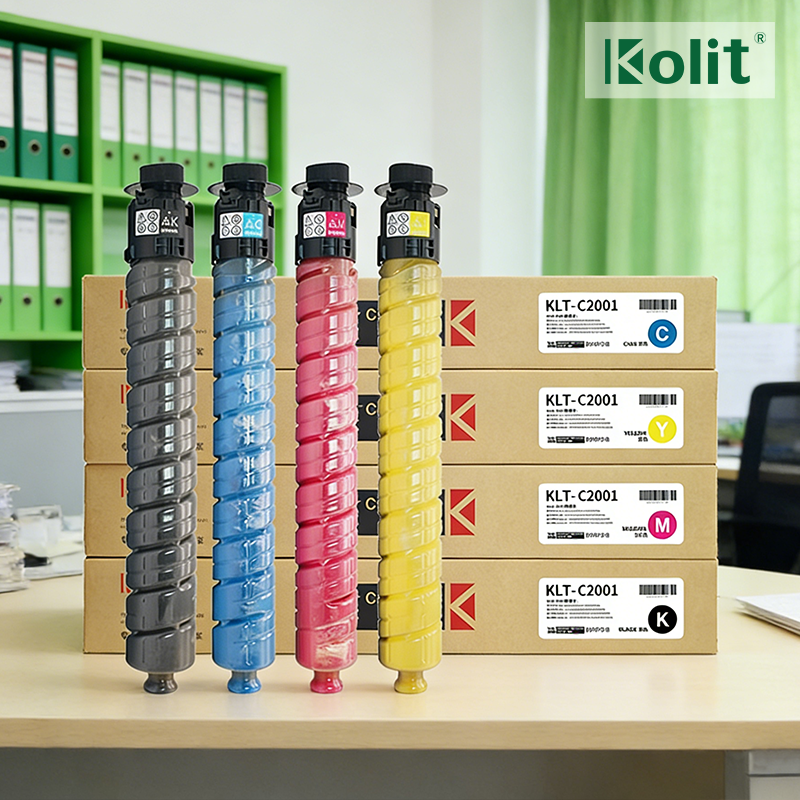
Managing operational expenses remains a critical priority for organizations across industries, and the printer cartridge often represents an overlooked but significant cost driver. While businesses focus on major capital investments and labor expenses, the cumulative spending on printer cartridges can quietly drain budgets year after year. Understanding the true cost of printer cartridge consumption and implementing strategic control measures can unlock meaningful savings without compromising document quality or productivity. This article explores practical insights into printer cartridge expense management, helping decision-makers recognize opportunities to optimize this essential but frequently undermanaged expense category.
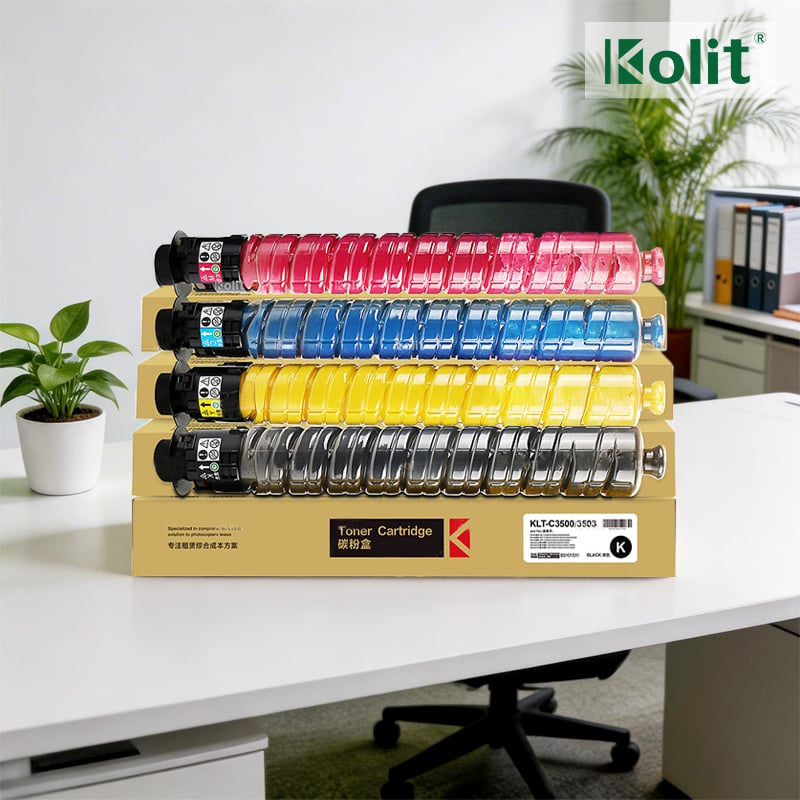
The printer cartridge expense landscape has evolved significantly over the past decade. Organizations now have multiple sourcing options, supply chain complexities, and technology choices that directly influence how much they spend on printer cartridges. By analyzing consumption patterns, evaluating printer cartridge quality standards, and aligning purchasing decisions with actual device usage, companies can establish a more predictable and controlled cost structure. The goal is not to compromise on print quality or equipment reliability, but rather to make informed decisions that align printer cartridge spending with genuine business value.
Understanding Printer Cartridge Cost Drivers
Hidden Expenses Beyond the Unit Price
The sticker price of a printer cartridge tells only part of the cost story. Organizations must account for procurement overhead, storage costs, waste from expired printer cartridge inventory, downtime associated with empty supplies, and the administrative burden of tracking printer cartridge stock across multiple locations. When a printer cartridge runs out unexpectedly, emergency procurement fees often apply, driving prices significantly higher than planned budgets. Additionally, improper printer cartridge storage—exposure to heat, humidity, or incorrect positioning—can degrade quality and reduce yield, effectively raising the cost per page. Businesses that fail to account for these hidden printer cartridge costs often overestimate their control and miss opportunities for meaningful savings.
Page-Yield Variance and Specification Misalignment
Different printer cartridge products deliver dramatically different page yields, even within the same device category. A standard-capacity printer cartridge might deliver a certain yield, while a high-yield option provides significantly more pages at a lower cost per page. However, if a printer cartridge sits unused in inventory for extended periods or if devices are underutilized, the actual cost-per-page benefit of high-yield printer cartridge purchases may not materialize. Furthermore, some organizations purchase printer cartridge products rated for higher volumes than their actual printing demand justifies, resulting in waste. Understanding the alignment between printer cartridge specifications, actual device utilization rates, and real-world consumption patterns is essential for effective expense control. The best printer cartridge choice depends on specific operational context, not generic recommendations.
Strategic Printer Cartridge Procurement and Inventory Management
Demand Forecasting and Consumption Analytics
Establishing an accurate baseline of printer cartridge consumption requires collecting data from all devices in operation. Organizations should analyze historical printer cartridge usage, document production volumes by department, and identify seasonal variations or anomalies. This data reveals which departments generate the most printer cartridge demand, which device models consume supplies most rapidly, and where waste or inefficiency occurs. Armed with this information, procurement teams can make targeted decisions about which printer cartridge products to stock, in what quantities, and at what intervals. Many organizations discover that consolidating printer cartridge suppliers or standardizing on fewer device models reduces complexity and unlocks volume discounts. Additionally, accurate consumption forecasting helps prevent both stockouts that trigger emergency printer cartridge purchases and overstock situations where inventory becomes obsolete or degrades.
Supplier Relationships and Contractual Leverage
Negotiating favorable terms with printer cartridge suppliers depends on demonstrating volume commitment and establishing clear performance expectations. Consolidating printer cartridge purchases with fewer vendors often yields better pricing than fragmented buying across multiple sources. Establishing supplier agreements that include specific pricing for high-volume printer cartridge orders, tiered discounts based on consumption thresholds, and predictable delivery schedules reduces variability and improves budget forecasting. Some organizations benefit from consignment arrangements where the supplier maintains printer cartridge inventory on-site, ensuring availability while reducing the buyer's carrying costs. The printer cartridge supplier relationship becomes strategic when it includes quality guarantees, responsive support, and alignment on sustainability or security objectives. Regular performance reviews of printer cartridge supplier contracts ensure terms remain competitive and aligned with organizational needs.
Quality, Compatibility, and Long-Term Expense Implications
Original and Compatible Printer Cartridge Options
Organizations often face a choice between original equipment manufacturer (OEM) printer cartridge products and compatible or remanufactured alternatives. While an original printer cartridge typically costs more per unit, it comes with manufacturer support, guaranteed compatibility, and often superior page yield. A compatible printer cartridge may offer lower upfront cost, but quality variance, compatibility risks, and potentially lower yield can undermine that savings. The decision about which type of printer cartridge to standardize on should factor in device criticality, security requirements, and acceptable risk tolerance. For mission-critical environments where device downtime is costly, investing in printer cartridge products with manufacturer backing often proves most cost-effective over time. In other environments, a mixed strategy using original printer cartridge supplies for critical devices and compatible options for lower-impact applications may optimize the expense-to-value equation.
Device Maintenance and Printer Cartridge Performance
The lifespan of a printer cartridge depends significantly on device maintenance and operating conditions. Dust accumulation, improper temperature control, or mechanical wear inside devices can cause premature printer cartridge failure, force replacement before expected yield is achieved, and reduce overall equipment reliability. Organizations that invest in preventive device maintenance often find that printer cartridge expenses decline because supplies last longer and perform more consistently. Conversely, deferring maintenance to reduce costs in the short term typically increases printer cartridge replacement frequency and emergency procurement expenses over time. A holistic approach to expense control treats printer cartridge spending not as an isolated line item, but as one component of a comprehensive device lifecycle strategy. This perspective encourages organizations to evaluate total cost of ownership, including device acquisition, maintenance, supplies, and eventual replacement or disposition.
FAQ
How can organizations identify excessive printer cartridge spending without disrupting operations?
Organizations can begin with a non-disruptive audit of printer cartridge consumption by reviewing purchase records, documenting all devices and their usage patterns, and analyzing page-yield data from existing devices. Comparing current spending to industry benchmarks or similar organizations provides context about whether printer cartridge expenses are reasonable or excessive. A pilot project focusing on demand forecasting, supplier consolidation, or alternative printer cartridge products in a single department allows testing of cost-reduction strategies before full-scale implementation. This gradual approach minimizes operational risk while generating data-driven insights into what works within the organization's specific context.
What role does printer cartridge security play in expense control decisions?
Printer cartridge security is increasingly important for organizations handling sensitive information. Original printer cartridge products often include security features that detect and prevent use of incompatible or counterfeit supplies, protecting both equipment integrity and data security. Some organizations face regulatory requirements specifying authentic printer cartridge use to maintain compliance. While security-focused printer cartridge choices may carry higher costs, they can prevent costly security breaches, equipment failures, and compliance violations. Treating printer cartridge expenses purely as a cost minimization exercise without considering security implications can create hidden liabilities that exceed any supply-cost savings.
Can printer cartridge expenses be predicted and budgeted with confidence?
Yes, when organizations establish systematic consumption tracking and maintain consistent device environments, printer cartridge expenses become highly predictable and budgetable. Historical data, standardized device models, and stable printing demand allow accurate forecasting of future printer cartridge needs. Organizations that implement consumption analytics, establish supplier agreements with stable pricing, and maintain inventory discipline can develop detailed printer cartridge budgets with confidence intervals. Seasonal variations, organizational changes, or new project initiatives may create temporary deviations, but predictable baseline expenses provide a foundation for stable, controlled spending.