
 EN
EN



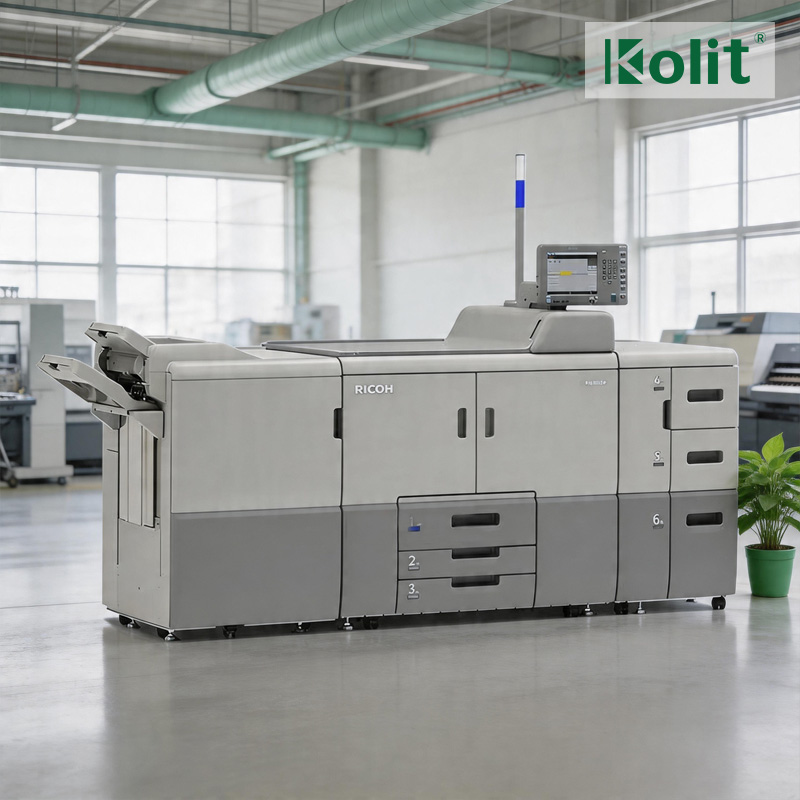
Choosing copiers for rental is one of the smartest operational decisions a business can make, especially when managing costs and maintaining printing flexibility are top priorities. Copiers for rental allow organizations to access high-performance equipment without the burden of full ownership, and the implementation process, when done correctly, leads to smoother workflows and better cost control. This guide walks you through every essential step so your team can confidently deploy copiers for rental across your office or facility.
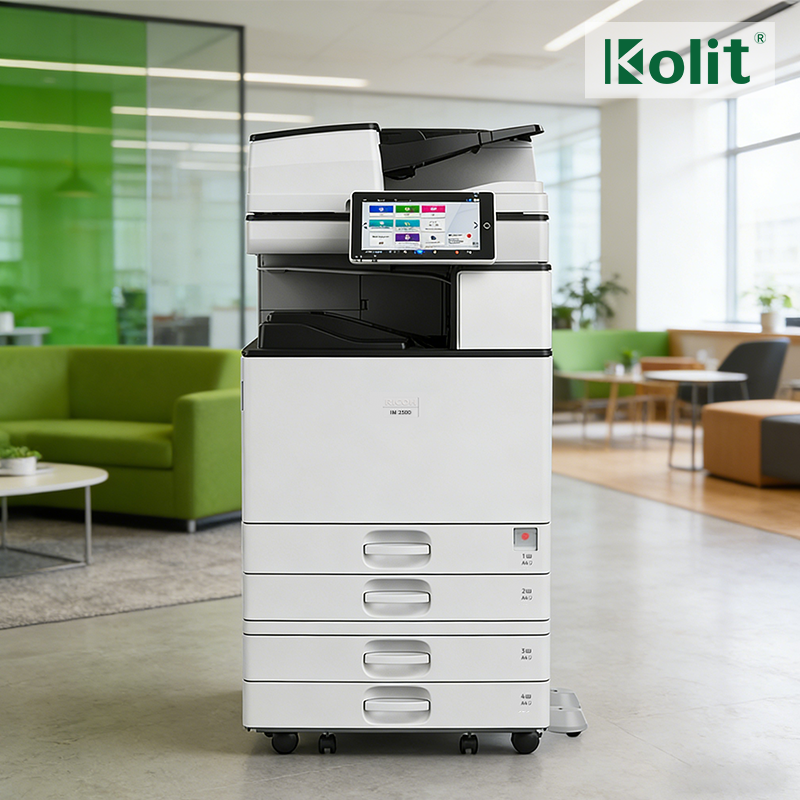
Many businesses underestimate the planning required when implementing copiers for rental. Without a structured approach, companies often face mismatched equipment, unclear service terms, or poor placement decisions that reduce productivity. By following a step-by-step process, you ensure that copiers for rental are deployed in a way that truly serves your operational needs from day one and throughout the entire rental period.
Assessing Your Business Needs for Copiers for Rental
Understanding Print Volume and Feature Requirements
Before you commit to copiers for rental, you must conduct a thorough internal assessment. Start by calculating your average monthly print volume across all departments. Copiers for rental come in a wide range of capacities, and selecting a model that matches your actual usage prevents both underperformance and unnecessary expense. Consider whether your team needs monochrome-only output, color printing, scanning, or multi-function capabilities, since copiers for rental are available across all these categories.
Think also about paper size requirements. Many office environments need A3 support for presentations, engineering documents, or marketing materials. Copiers for rental that support A3 formats offer greater versatility for departments with diverse output demands. Listing your feature requirements in advance creates a clear benchmark for evaluating which copiers for rental best fit your workplace.
Mapping Placement and Network Infrastructure
Copiers for rental must be placed where they are most accessible to the people who use them most. Survey your floor plan and identify high-traffic areas, proximity to power outlets, and available network connectivity. Copiers for rental in modern offices typically connect via wired Ethernet or wireless networks, so confirming your IT infrastructure readiness before delivery saves significant setup time. Discuss placement logistics with your rental provider early so that copiers for rental arrive with the right configuration for your environment.
Selecting the Right Rental Agreement and Equipment
Evaluating Rental Terms and Service Coverage
Not all copiers for rental agreements are structured the same way. When reviewing proposals, pay close attention to the rental duration, monthly cost, included service terms, and equipment upgrade options. Quality copiers for rental agreements include preventive maintenance, toner supply, and on-site technical support as part of the package. This eliminates surprise costs and ensures copiers for rental remain operational without placing a service burden on your internal team.
Ask about response time guarantees when equipment issues arise. Copiers for rental that experience downtime during peak periods can severely disrupt operations. A reliable provider offering copiers for rental should commit to a clear service level, whether that means same-day technician visits or remote diagnostic support. Understanding exactly what is covered prevents disputes later and helps you compare copiers for rental proposals on equal terms.
Choosing Equipment Suited to Your Output Demands
Once your needs are clear, match them to the right model among available copiers for rental. A 25 ppm monochrome laser copier with A3 capability, print, copy, and scan functions covers the majority of office and school environments efficiently. Copiers for rental at this specification tier deliver consistent quality for document-heavy workloads without excessive cost. Confirm that copiers for rental include driver compatibility with your operating systems and that setup documentation is provided upon delivery.
For organizations running copiers for rental across multiple floors or departments, consider whether centralized or distributed placement makes more operational sense. Copiers for rental managed through a central print management platform give administrators visibility into usage and help enforce responsible printing policies across the organization.
Deploying and Managing Copiers for Rental Effectively
Installation, Configuration, and Staff Onboarding
When copiers for rental arrive, work with the provider's installation team to ensure each unit is correctly positioned, powered, and connected to your network. Copiers for rental should be configured with your department codes, secure print settings, and default paper trays before staff begin using them. Skipping this configuration step often leads to wasted supplies and security vulnerabilities. Request a brief onboarding session so staff understand how to operate copiers for rental, access features, and report issues through the correct channels.
Copiers for rental often include user authentication features that restrict access to authorized personnel. Enabling these features from day one protects sensitive documents and gives management clear data on who is using copiers for rental and how frequently. This visibility is especially valuable for organizations that track departmental printing costs internally.
Ongoing Monitoring and End-of-Term Planning
Managing copiers for rental effectively requires ongoing attention, not just a one-time setup. Schedule periodic reviews of usage reports to confirm that copiers for rental are being used as expected and that no single unit is being overloaded. If your volume grows significantly, discuss upgrading your copiers for rental to a higher-capacity model with your provider before performance issues occur.
As your rental term approaches its end, begin reviewing whether to renew, upgrade, or return your copiers for rental. Many providers offer flexible end-of-term options that allow businesses to transition to newer copiers for rental without service interruption. Planning ahead ensures copiers for rental always meet your current needs rather than lagging behind your organization's growth.
FAQ
How long does it typically take to deploy copiers for rental in an office?
The deployment timeline for copiers for rental depends on the number of units and your infrastructure readiness. A single unit can typically be installed and configured within a few hours, while larger deployments of copiers for rental across multiple departments may take one to two business days including staff onboarding and network setup.
Are copiers for rental suitable for short-term projects or events?
Yes, copiers for rental are highly suitable for short-term use cases such as project rollouts, seasonal demand spikes, or corporate events. Many providers offer flexible rental periods ranging from daily to monthly arrangements, making copiers for rental a practical solution when long-term ownership is neither necessary nor cost-effective.
What happens if a rented copier breaks down during the rental period?
Reputable providers of copiers for rental include technical support and maintenance coverage in their agreements. If a unit breaks down, your provider should dispatch a technician or arrange a replacement unit promptly. Always confirm the service response commitment before signing any copiers for rental agreement to avoid operational disruption.