
 EN
EN


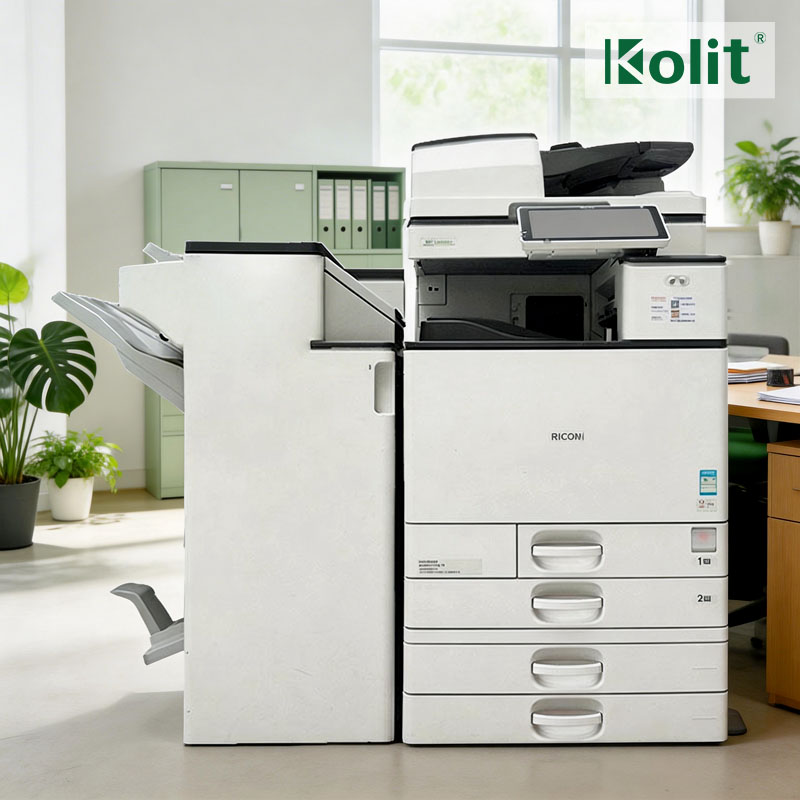
When your office needs a reliable document solution, the decision between copier leasing and outright purchasing can feel surprisingly complex. Both paths come with distinct financial structures, operational implications, and long-term trade-offs that can significantly affect your business budget and workflow. Understanding exactly what each option delivers is the first step toward making a confident, well-informed choice.
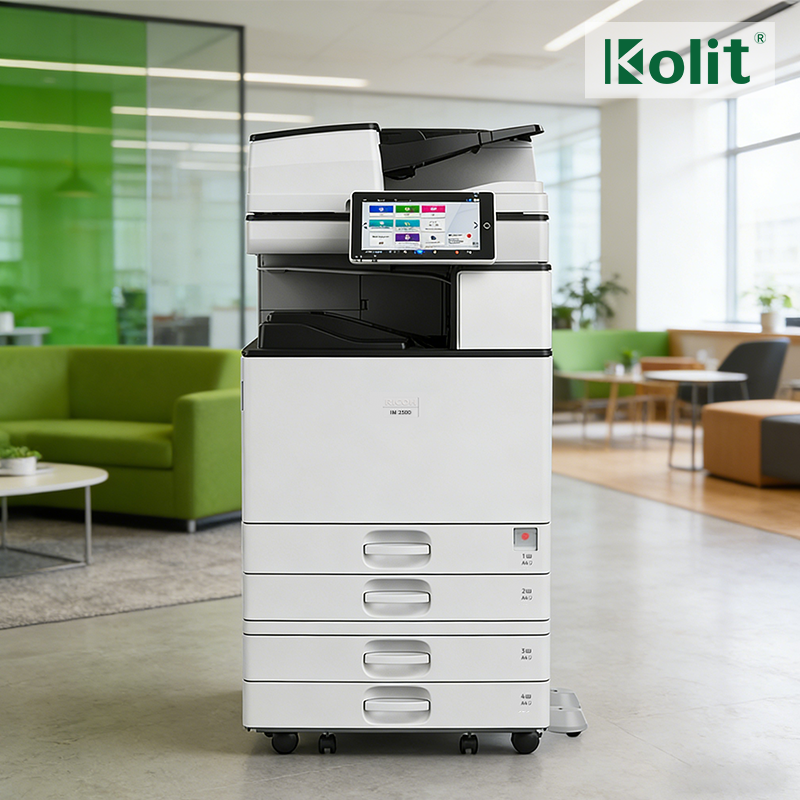
Copier leasing has become increasingly popular among businesses of all sizes, from small startups to established enterprises. Rather than committing a large sum upfront, copier leasing allows organizations to spread costs across manageable monthly payments while still gaining access to high-performance equipment. Buying, on the other hand, grants full ownership and can reduce total expenditure over time. This article breaks down both approaches to help you weigh your options clearly and strategically.
The Financial Case for Copier Leasing
Upfront Costs and Cash Flow Considerations
One of the most immediate advantages of copier leasing is the minimal upfront investment required. Instead of allocating thousands of dollars to purchase equipment outright, businesses engaged in copier leasing typically pay only a small deposit or first monthly installment. This preserves working capital for other operational priorities such as staffing, marketing, or inventory. For growing businesses that need to manage cash flow carefully, copier leasing provides breathing room that outright purchasing simply cannot match.
When you buy a copier, you absorb the full acquisition cost immediately. While this eliminates monthly obligations, it also ties up capital that could otherwise generate returns elsewhere. Copier leasing converts a capital expenditure into an operating expense, which in many accounting frameworks offers tax advantages worth discussing with your financial advisor. The distinction between CapEx and OpEx is particularly relevant for businesses managing tight annual budgets.
Total Cost of Ownership Over Time
Copier leasing agreements often include service and maintenance packages, which means repair costs and consumable replacements are bundled into the monthly fee. This predictability helps businesses plan accurately without surprise expenditure. When purchasing, maintenance costs fall entirely on the owner, and as the machine ages, those costs tend to increase. Copier leasing essentially transfers equipment risk back to the provider, keeping your internal costs more stable and foreseeable over the lease term.
Over a five-year horizon, copier leasing may cost more in total payments than the original purchase price. However, that calculation changes when you factor in maintenance, parts, and the depreciated resale value of an aging machine. Copier leasing ensures you are always working with equipment that fits your current needs without absorbing the hidden costs of obsolescence.
Flexibility and Technology Upgrades
Staying Current with Evolving Office Technology
Technology in the copier industry evolves rapidly. New models offer faster processing speeds, better energy efficiency, advanced security features, and deeper integration with cloud platforms. Copier leasing allows businesses to upgrade their equipment at the end of each lease term without the financial burden of reselling outdated hardware. This means your team consistently operates on modern, capable machines that support productivity rather than limiting it.
Owning a copier locks you into that specific model for years, often long past the point where newer technology would offer meaningful operational benefits. Copier leasing removes this constraint entirely. When your lease term concludes, you can simply select a newer model and begin a fresh copier leasing agreement. This cycle keeps your office infrastructure competitive without requiring large periodic capital reinvestment.
Scalability for Changing Business Needs
Businesses change. Teams expand, print volumes shift, and operational requirements evolve. Copier leasing is inherently more flexible than ownership when it comes to scaling your equipment. If your organization grows significantly during a lease period, many copier leasing providers allow you to upgrade mid-term or adjust the terms to accommodate a higher-volume machine. Purchasing lacks this adaptability, as you are committed to whatever capacity you originally selected.
For businesses in industries with fluctuating demand, copier leasing supports agility. A seasonal operation, for instance, may benefit from a short-term copier leasing arrangement rather than maintaining a purchased machine that sits underutilized during quieter months. Copier leasing aligns equipment availability with actual business demand, making it a structurally smarter option for organizations with variable workflows.
When Buying Makes More Sense Than Copier Leasing
Long-Term Stability and Ownership Benefits
Despite the appeal of copier leasing, purchasing is the right move for certain organizations. Businesses with stable, predictable print volumes and sufficient capital may find that buying a copier delivers better value over the long run. Once the purchase cost is recovered, the machine generates output at no additional equipment cost. For organizations with limited technology needs and a conservative approach to operational spending, ownership offers simplicity and permanence.
Copier leasing is a commitment that involves ongoing contractual obligations. If a business closes, downsizes, or changes direction, exiting a copier leasing agreement early can involve penalties. Ownership carries no such risk. You can use, sell, or repurpose the equipment at your discretion. For businesses that value contractual freedom above flexibility, ownership may outweigh the benefits of copier leasing.
Decision Factors to Evaluate Before Choosing
Before committing to copier leasing or buying, evaluate your organization's print volume, budget structure, technology refresh cycle, and growth trajectory. High-volume offices that print thousands of pages monthly benefit from copier leasing agreements that include maintenance and support. Smaller offices with modest print needs and available capital might find a one-time purchase more economical. Copier leasing works best when ongoing service value, flexibility, and cash flow management are organizational priorities.
It is also worth reviewing the specific terms of any copier leasing agreement carefully. Lease duration, monthly payment structure, upgrade options, and end-of-term conditions all vary between providers. A well-structured copier leasing contract protects your interests and ensures the arrangement delivers genuine value throughout its duration. Never enter a copier leasing agreement without fully understanding the exit clauses and total payment commitment.
FAQ
Is copier leasing suitable for small businesses?
Yes, copier leasing is particularly well-suited for small businesses because it reduces upfront costs and provides access to professional-grade equipment without large capital expenditure. Copier leasing also often includes maintenance, which reduces the operational burden on small teams. It is an accessible and practical option for growing organizations managing limited budgets.
How long does a typical copier leasing agreement last?
Most copier leasing agreements run between 24 and 60 months, with 36-month and 48-month terms being the most common. The duration depends on the equipment type, monthly payment preference, and upgrade needs. Shorter copier leasing terms generally come with higher monthly payments but offer more frequent upgrade opportunities, while longer terms reduce monthly costs but extend the commitment period.
Can I purchase the copier at the end of a leasing agreement?
Many copier leasing contracts include a purchase option at the end of the term, often at fair market value or a nominal fixed price. This gives businesses the flexibility to retain familiar equipment without starting a new copier leasing cycle. If your team is satisfied with the machine's performance and the purchase price is reasonable, buying at lease-end can be a cost-effective path forward.