
 EN
EN



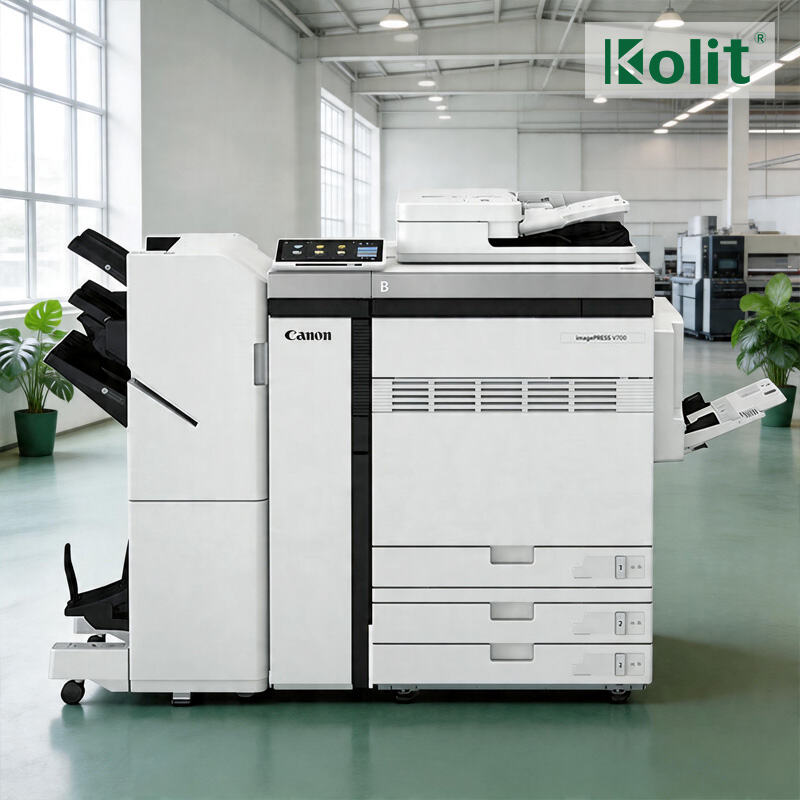
Total Cost of Ownership Comparison Over 3–5 Years
Choosing between copier leasing and buying requires looking beyond the sticker price. The total cost of ownership (TCO) over 3 to 5 years reveals the full financial impact—factoring in upfront costs, ongoing expenses, tax treatment, and strategic risks like obsolescence.
Upfront Investment, Monthly Lease Payments, and Residual Value Considerations
Buying a copier demands a substantial upfront capital outlay—often $20,000 to $50,000 or more—tying up working capital that could fuel growth. Leasing, by contrast, typically requires only a modest initial payment (e.g., first month’s fee plus setup), preserving liquidity for core operations. Monthly lease payments are fixed and predictable, supporting disciplined budgeting. With ownership, you bear residual value risk: copiers depreciate rapidly, and resale values after 3–5 years are often low and uncertain. Leasing transfers that risk to the lessor—you simply return the equipment at term’s end.
| Cost Component | Buying | Leasing |
|---|---|---|
| Upfront Cost | Very High (full purchase price) | Low (first month’s lease + fees) |
| Monthly Payment | None (unless financed) | Fixed, predictable amount |
| Residual Value Risk | Owner absorbs depreciation | Leasing company retains value |
Maintenance, Service Contracts, and Hidden Operational Costs
When you own a copier, maintenance is rarely included—you’ll need a separate service contract covering repairs, toner, parts, and labor. These contracts vary widely in scope and cost, and unexpected breakdowns can trigger unplanned technician fees, downtime, and lost productivity. Industry data shows maintenance can account for 20–30% of total equipment costs over five years. Leasing agreements commonly bundle all service, supplies, remote monitoring, and technical support into one transparent monthly fee. That eliminates surprise bills, reduces administrative overhead, and delivers consistent operational predictability.
Cash Flow and Budgeting Impact: Capex vs. Opex
Preserving Working Capital Through Copier Leasing
Leasing converts a major capital expenditure (CAPEX) into an operational expense (OPEX). This shift preserves critical working capital—freeing funds for marketing, hiring, R&D, or other revenue-generating priorities. Unlike purchasing, which drains cash reserves upfront, leasing aligns equipment costs with usage and revenue cycles. It also enhances financial agility, helping businesses respond to market shifts or unexpected opportunities without straining liquidity.
Predictability of Fixed Monthly Expenses Under Lease Agreements
Lease terms lock in stable, all-inclusive monthly payments for the full contract period—typically 36 to 60 months. Because maintenance, supplies, and support are usually bundled, there are no hidden spikes from repairs or emergency service calls. Budgeting becomes simpler and more accurate, without needing to model depreciation schedules, estimate residual values, or forecast supply costs. That consistency supports stronger forecasting, smoother audits, and greater confidence in financial planning.
Tax Advantages and Accounting Treatment
Deductible Lease Payments vs. Depreciation of Owned Equipment
Lease payments qualify as fully deductible business expenses in the year they’re paid—providing immediate tax relief. Purchased copiers, however, must be depreciated over 5–7 years under IRS MACRS guidelines. For example, a $15,000 annual lease payment yields a full $15,000 deduction each year, while the same $15,000 copier purchased outright generates only about $2,142–$3,000 in annual depreciation—delaying tax benefits and reducing near-term cash flow efficiency. This timing advantage is especially valuable for growing or seasonal businesses managing tight tax liabilities.
Section 179 Expensing and Its Limitations for Copier Purchases
While Section 179 allows immediate expensing of qualifying equipment purchases, its utility for copiers is constrained. The 2024 Section 179 limit is $1.16 million—but begins phasing out once total equipment acquisitions exceed $2.89 million. For businesses investing across multiple asset categories (e.g., IT, vehicles, machinery), copiers may consume limited expensing capacity without delivering proportional benefit. Bonus depreciation is also reduced to 60% for 2024, further limiting first-year write-offs. Leasing sidesteps these thresholds and phaseouts entirely, offering consistent, unrestricted deductibility regardless of overall equipment spend. Businesses should consult current IRS Section 179 guidelines to assess eligibility and optimize deductions.
Strategic Flexibility: Upgrades, Scalability, and Technology Obsolescence
Copier Leasing Enables Seamless Mid-Term Technology Refreshes
Copier technology advances quickly—new models deliver faster speeds, tighter security, cloud integration, and AI-powered features that older machines simply can’t match. Ownership locks you into hardware for its entire economic life, even as it grows outdated. Leasing provides built-in flexibility: many agreements allow equipment swaps after 24 or 36 months, letting you refresh without large capital commitments. This avoids sunk costs in obsolete gear and ensures your document workflow stays aligned with evolving security standards, remote work needs, and productivity expectations—keeping your team efficient and your infrastructure future-ready.
Ready to Optimize Your Copier Investment Strategy?
Copier leasing vs. buying hinges on balancing upfront costs, cash flow, tax benefits, and long-term technology agility—critical decisions for B2B enterprises and OEM partners scaling operations. Leasing delivers predictable budgeting, preserved capital, and future-ready technology, while buying suits long-term asset retention for stable, low-growth businesses.
For tailored copier leasing, purchasing, and OEM customization solutions for global B2B clients, partner with Kolit. With 30+ years of printing industry expertise, we are an authorized distributor for Ricoh, Canon, Xerox, and Konica Minolta—offering new, remanufactured, and OEM-customized copiers, plus flexible 36–60 month lease plans and all-inclusive managed print services. Our global team of certified engineers supports seamless deployment and ongoing maintenance. Contact us today for a no-obligation consultation to design the optimal copier investment strategy for your business.
FAQ
What is the main financial advantage of leasing a copier versus buying?
Leasing provides lower upfront costs and predictable, fixed monthly expenses, preserving working capital and avoiding depreciation risks.
Do leased copiers include maintenance and service?
Yes, leasing agreements often bundle maintenance, supplies, and technical support, eliminating surprise expenses and ensuring consistent operational efficiency.
Are lease payments tax-deductible?
Yes, lease payments are fully deductible business expenses in the year they are paid, offering immediate tax advantages compared to depreciation for purchased equipment.
What happens at the end of a copier lease?
You typically return the equipment or renew the lease. Many agreements also allow for upgrades mid-term, ensuring access to the latest technology.
How does leasing help manage technology obsolescence?
Leasing allows businesses to upgrade to newer models after a set period, ensuring your equipment stays current with technological advancements and productivity needs.