
 EN




Modern office environments depend heavily on reliable printing infrastructure, and toner cartridges remain central to daily operations across industries. Optimizing toner cartridges for enhanced efficiency goes far beyond simply replacing them when they run empty. Strategic management of toner cartridges can significantly reduce operational costs, extend equipment lifespan, and maintain consistent document quality. Understanding how to maximize the performance of toner cartridges ensures that your printing investment delivers measurable returns and supports seamless workflow continuity.
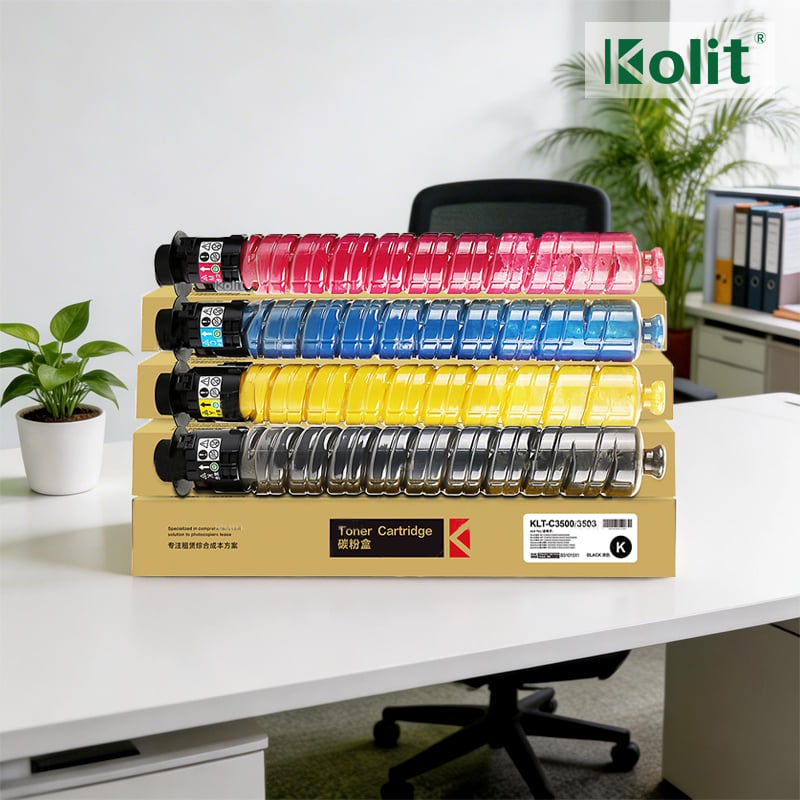
Businesses often overlook the operational intelligence embedded within toner cartridge management systems. Every printing decision, supply chain interaction, and maintenance protocol directly influences both productivity and profitability. By implementing systematic approaches to monitor, maintain, and replenish toner cartridges, organizations unlock efficiency gains that compound across departments and fiscal periods. The following sections explore proven strategies for optimizing toner cartridges and transforming them into a competitive advantage rather than a routine expense.
Understanding Toner Cartridge Performance Metrics
Measuring Yield and Cost Per Page
Toner cartridges are engineered to deliver specific page yields under standardized testing conditions, typically measured at 5% coverage across standard A4 sheets. High-yield toner cartridges produce substantially more pages per unit cost compared to standard-capacity alternatives, making them essential for optimizing toner cartridges in high-volume environments. Cost per page calculations reveal the true efficiency of toner cartridges by dividing total cartridge cost by projected page yield, enabling precise budget forecasting and purchasing decisions.
Quality Consistency and Print Performance
Maintaining consistent toner cartridge quality directly affects document appearance, color accuracy, and professional presentation standards. Authentic toner cartridges formulated for specific printer models ensure optimal toner transfer efficiency, reducing waste while maintaining vibrant output. When optimizing toner cartridges, organizations must monitor print darkness settings, toner density measurements, and color calibration to detect when cartridges operate below peak performance levels.
Implementing Strategic Cartridge Management Systems
Inventory Tracking and Predictive Ordering
Advanced inventory management systems transform toner cartridge procurement from reactive replacement into proactive optimization. Predictive analytics examine historical consumption patterns, seasonal usage fluctuations, and departmental printing behaviors to forecast cartridge demand with remarkable accuracy. By automating reorder thresholds based on printer usage data, organizations eliminate emergency purchases and stock-outs while reducing excess inventory costs. Optimizing toner cartridges through data-driven ordering ensures supplies arrive precisely when needed, preventing workflow disruptions.
Standardization and Supply Chain Optimization
Standardizing toner cartridge models across the organization significantly streamlines supply chain operations and reduces complexity. Fewer SKUs mean simplified inventory management, reduced storage space requirements, and stronger negotiating positions with suppliers. When departments use compatible toner cartridges, backup supplies cover multiple devices, enhancing resilience while minimizing dead stock. This standardization approach is fundamental to optimizing toner cartridges across enterprise environments.
Maximizing Cartridge Lifespan and Performance Quality
Printer Maintenance and Environmental Conditions
Toner cartridges perform optimally within specific environmental parameters: temperature ranges between 16–35 degrees Celsius and humidity levels between 20–80 percent. Extreme conditions accelerate toner degradation, reduce cartridge shelf life, and compromise print quality. Regular printer maintenance, including drum cleaning cycles and fuser calibration, prevents premature cartridge depletion and extends the effective lifespan of toner cartridges by preventing waste. Organizations serious about optimizing toner cartridges invest in climate-controlled storage and preventive equipment maintenance protocols.
Usage Monitoring and User Behavior Optimization
User awareness significantly impacts toner cartridge efficiency and organizational costs. Printing unnecessary documents, using unnecessary color settings, and printing draft versions all accelerate toner cartridge consumption without delivering business value. Implementing print policies that encourage double-sided printing, duplex mode activation, and grayscale defaults reduces cartridge replacement frequency substantially. Educating teams about toner cartridges care and optimal printer settings creates a culture of efficiency where cost consciousness becomes normalized.
FAQ
How often should toner cartridges be replaced in a typical office environment?
Replacement frequency depends on page yield specifications and actual printing volume. High-yield toner cartridges in moderate-use offices may last 2–4 months, while standard-capacity cartridges require more frequent replacement. Organizations tracking page counters and toner cartridge usage metrics can predict replacement schedules accurately, enabling preventive ordering before quality degradation becomes visible to users.
Can refilled or compatible toner cartridges match the efficiency of original equipment manufacturer cartridges?
Original equipment manufacturer toner cartridges undergo rigorous quality testing and optimization for specific printer models, delivering predictable page yields and color consistency. Refilled or compatible toner cartridges present variable quality, inconsistent page yields, and potential equipment compatibility issues that undermine cost savings. While optimizing toner cartridges for efficiency, organizations must weigh upfront savings against long-term reliability risks, support costs, and potential printer damage.
What role does printer technology play in toner cartridge efficiency?
Modern printers incorporate toner density sensors, drum quality monitoring, and consumption prediction features that maximize toner cartridge efficiency. Newer printer models optimize toner transfer mechanisms and fuser technology to reduce waste while maintaining exceptional print quality. Organizations upgrading printing infrastructure should prioritize devices with advanced toner management capabilities, as these innovations directly improve toner cartridge lifespan and reduce total cost of ownership.