
 EN
EN



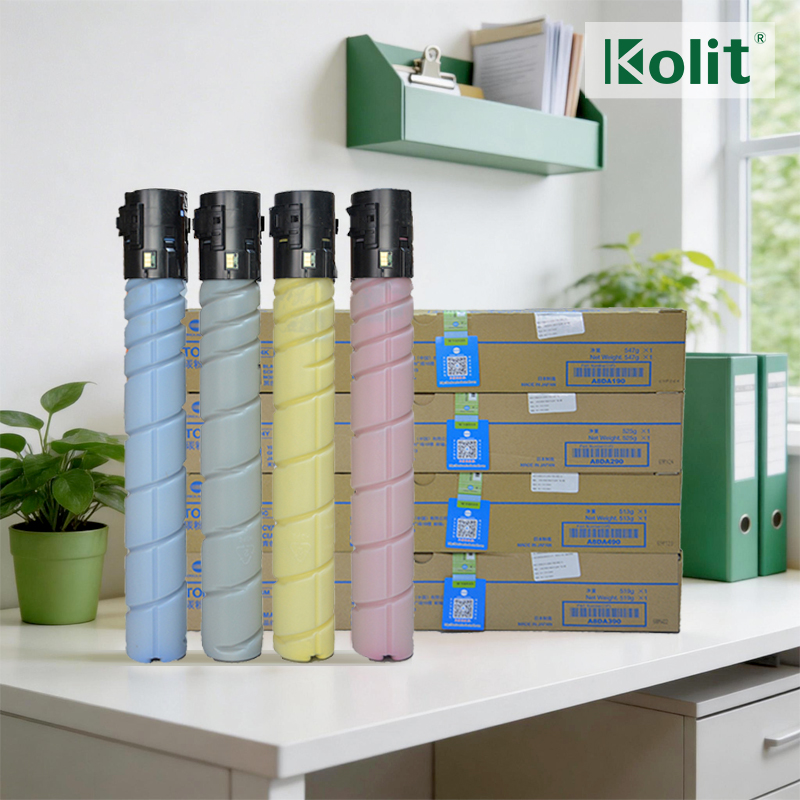
Selecting the right toner cartridges for your business is a critical operational decision that directly impacts print quality, budget efficiency, and workflow productivity. Businesses of all sizes rely on consistent, cost-effective toner cartridges to maintain daily printing operations, yet many purchasing managers struggle to compare toner cartridges effectively without clear guidance on what factors matter most. Whether you operate a small office or a large enterprise, understanding how to evaluate toner cartridges helps you avoid overspending, reduce waste, and ensure your printing infrastructure delivers reliable results.
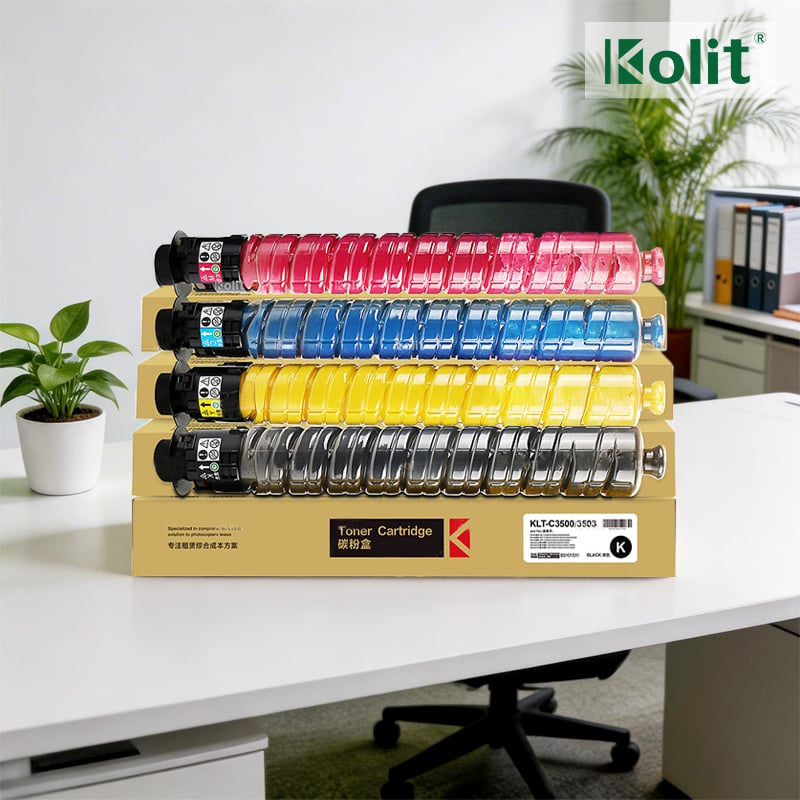
The decision to compare toner cartridges should never be treated as a commodity purchase. Each organization has unique printing demands, budget constraints, and quality standards that shape which toner cartridges work best. This guide walks you through the essential comparison criteria, helping you make informed choices that align with your business priorities and long-term operational goals.
Understanding Page Yield and Cost Per Page
Why Page Yield Matters in Your Toner Cartridge Selection
Page yield represents the estimated number of pages a single toner cartridge can print before depletion, typically measured at five percent coverage on standard letter-size paper. When you compare toner cartridges, page yield becomes one of the most transparent metrics available, allowing you to calculate the true cost of ownership. A high-yield toner cartridge may carry a higher upfront price, but the lower cost-per-page often justifies the investment over multiple printing cycles.
To meaningfully compare toner cartridges on yield alone, you must align the specifications with your actual printing volume. An organization printing ten thousand pages monthly will see different financial outcomes from the same toner cartridges compared to a facility printing two thousand pages. Manufacturers typically publish page yield figures, and comparing these numbers across competing toner cartridges reveals which options offer better value for your specific usage pattern.
Calculating Total Cost of Ownership for Toner Cartridges
Beyond the cartridge purchase price, you must compare toner cartridges by analyzing delivery costs, storage expenses, and environmental disposal fees. Some businesses overlook shipping charges when they compare toner cartridges, only to discover that bulk orders save significantly per unit. The most accurate comparison of toner cartridges includes dividing the total cost by the page yield to establish cost-per-page metrics that reveal true economics.
For example, if two different toner cartridges both cost forty dollars but one yields five thousand pages while the other yields seven thousand pages, the second option delivers superior value at 0.57 cents per page versus 0.80 cents per page. When you compare toner cartridges systematically using this calculation, purchasing decisions become objective and defensible across budget cycles.
Assessing Compatibility and Printer Specifications
Matching Toner Cartridges to Your Printer Models
Before you compare toner cartridges, confirm the exact printer model numbers in your fleet and cross-reference compatible toner cartridges with manufacturer specifications. Different printer families often require distinctly different toner cartridges, and purchasing incompatible products leads to downtime, frustration, and wasted spending. Many businesses maintain mixed printer environments, requiring them to stock multiple types of toner cartridges, making an organized comparison process essential for inventory management.
The toner cartridges you select must match not only the printer brand but often the specific model series or generation. Original equipment manufacturer (OEM) toner cartridges carry the highest compatibility guarantee, but third-party and compatible toner cartridges also serve businesses seeking cost reduction. When you compare toner cartridges across OEM and compatible options, verify that compatible products have been independently tested for the exact printer models in your facility.
Understanding Original vs. Compatible Toner Cartridges
Original manufacturer toner cartridges deliver consistent quality and full warranty coverage but typically cost thirty to fifty percent more than compatible alternatives. Compatible toner cartridges produced by third-party manufacturers offer attractive savings, yet performance variability requires careful comparison before adoption. To compare toner cartridges objectively, test a small batch of compatible products before committing to large-scale replacements.
Quality inconsistencies in some compatible toner cartridges can compromise print output, damage printer components, or void warranties. When evaluating whether to compare toner cartridges exclusively from OEM sources or introduce compatible options, factor in the cost of potential printer repairs against the cartridge savings. Many businesses adopt a hybrid approach, using OEM toner cartridges for critical production printing while deploying compatible toner cartridges for routine office tasks.
Evaluating Print Quality and Environmental Considerations
Print Quality Standards When Comparing Toner Cartridges
Print quality directly reflects your organization's professional image, particularly when documents reach external stakeholders or customers. As you compare toner cartridges, examine sample outputs or request quality certifications indicating that toner cartridges meet industry color accuracy, resolution, and consistency standards. Lower-cost toner cartridges sometimes deliver acceptable quality for internal documents but prove inadequate for marketing materials or client-facing communications.
The composition and particle size of toner within cartridges affects fusing, color registration, and longevity of printed documents. When you compare toner cartridges from different sources, look for evidence of compliance with ISO color standards or ask suppliers about toner composition. Organizations publishing customer-facing materials should compare toner cartridges more rigorously than those printing primarily for internal consumption.
Environmental and Sustainability Factors in Toner Cartridge Selection
Environmental responsibility increasingly influences how businesses compare toner cartridges and establish procurement policies. Toner cartridges consume plastic resources, generate packaging waste, and require proper recycling infrastructure to prevent environmental harm. Many manufacturers now offer toner cartridge recycling programs, and selecting options with robust take-back initiatives aligns procurement with sustainability commitments.
When you compare toner cartridges, inquire about packaging recyclability, cartridge materials, and manufacturer sustainability certifications. Some businesses prioritize toner cartridges with minimal packaging or manufactured from recycled content, reflecting corporate environmental values. High-yield toner cartridges also contribute to sustainability goals by reducing the frequency of cartridge replacement and associated waste generation.
FAQ
What is the most important factor when comparing toner cartridges for a business?
Cost-per-page represents the most comprehensive comparison metric because it combines purchase price with page yield, directly affecting your printing budget. However, print quality, compatibility with your specific printer models, and supply chain reliability are equally important considerations that should influence your final decision alongside cost analysis.
How can we ensure compatible toner cartridges perform as well as original toner cartridges?
Test a small sample of compatible toner cartridges in your environment before large-scale deployment to verify print quality and reliability. Request independent quality certifications, check customer reviews from similar businesses, and confirm that compatible toner cartridges carry warranty protection that covers your printers in case of damage or malfunction.
How often should we review and compare toner cartridges for cost optimization?
Review your toner cartridge specifications and pricing annually to capture market changes, new product introductions, and competitive pricing adjustments. If your printing volume fluctuates significantly or your printer fleet composition changes, reassess toner cartridge comparisons more frequently to ensure your selection strategy remains cost-effective and aligned with operational needs.